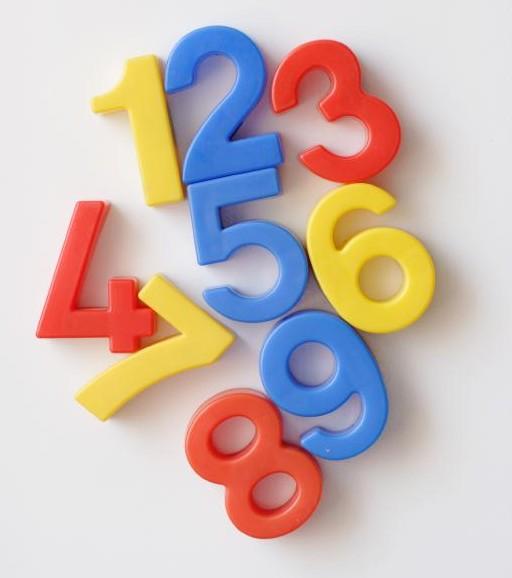
What’s in a number? I mean, really.
For something we completely made up thousands of years ago to keep track of goats, grain and probably whose turn it was to buy the first round, numbers sure have managed to take over our lives.
Consider this: from practically the moment we arrive on this planet, numbers start defining us.
At 5, you start school.
At 10, you finally reach double digits and briefly feel like you’ve accomplished something extraordinary simply by staying alive for an entire decade.
Then comes 13, when you officially become a teenager and immediately know everything.
At 16, you can drive.
At 18, you can vote and are legally considered an adult, despite still occasionally needing someone to explain how health insurance works.
At 21, you can legally drink.
Then something strange happens. The numbers stop being milestones and start becoming warnings:
At 30, people tell you it’s “the new 20.”
At 40, people start making “over the hill” jokes and giving you birthday cards featuring tombstones.
At 50, your mailbox begins receiving correspondence from organizations that apparently know your age before some members of your own family do.
And somewhere beyond that, birthdays become less about celebrating the number and more about saying things like, “I certainly don’t FEEL that old.”
I originally wrote about numbers back in 2013. At the time, I was 43.
Looking back, that seems ridiculously young. Forty-three-year-old me probably thought he was getting old. What an adorable little idiot.
Here in 2026, I’m staring down 57, which means I’ve entered that wonderful stage of life where numbers have taken on entirely new meanings.
Blood pressure, cholesterol, the number on the bathroom scale, the number of times I get up during the night. And the number of steps my phone insists I should be taking every day while conveniently ignoring the fact that I walked all the way to the refrigerator three times.
Social media has added an entirely new collection of numbers to obsess over: followers, likes, shares.
Suddenly you can post something heartfelt that took you two hours to write and receive 7 likes. Meanwhile, someone else posts a 12-second video of a raccoon stealing a Pop-Tart and gets 4.7 million views.

Even being an author has become a numbers game:
How many books did you sell? How many reviews do you have? What’s your Amazon ranking? How many people came to the signing? How many followers do you have?
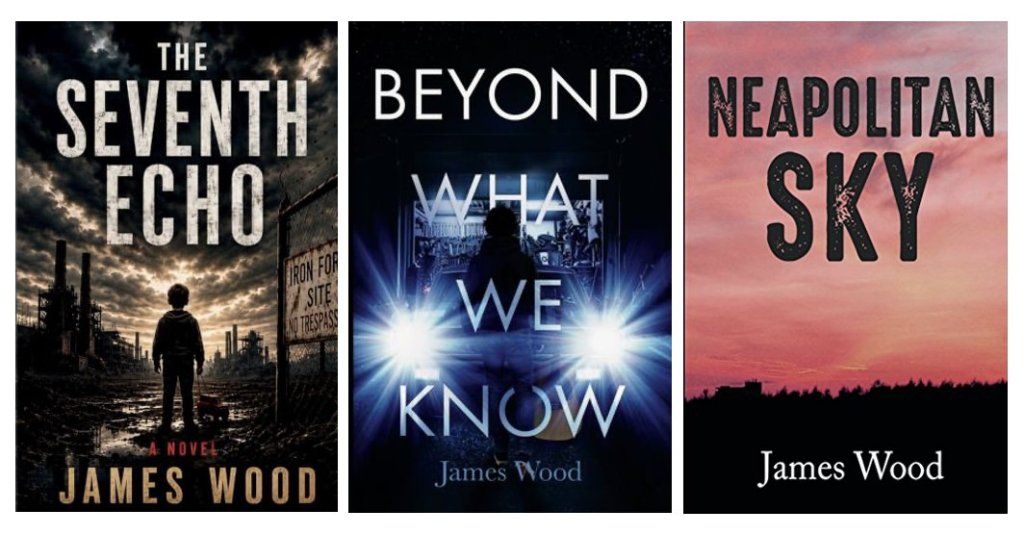
And, perhaps most importantly: How many copies of The Seventh Echo can I convince you to buy before you stop reading this blog?
The correct answer is, of course, 7.
But here’s the funny thing about numbers. We give them enormous power even though they rarely tell the entire story.
A book can sell thousands of copies and disappear from someone’s memory a week later. Another might sell only a handful and somehow find its way to exactly the right reader at exactly the right moment.
A social media post can get 10,000 views and mean absolutely nothing. Another can get 20 and reconnect you with someone you haven’t heard from in thirty years.
Your bank account can tell you how much money you have. Your bathroom scale can tell you how much you weigh. Your phone can tell you how many steps you took today. But none of those numbers can tell you if today was a good day.
Maybe that’s the part I’ve finally figured out since I first wrote this thirteen years ago. Numbers are useful. Sometimes they’re important. Sometimes they’re terrifying, and sometimes they’re even worth celebrating.
But they’re still just numbers.
Sure, they can measure how old we are, how many books we’ve sold, and how many candles the fire department will allow us to put on a birthday cake. But the thing they can’t measure is how many years you have left, or what you’ve actually done with the ones you’ve already had.
In a few weeks I’ll be 57. A number I’m starting to appreciate a whole lot more.
The Seventh Echo is available now from
Adverse City Publishing
© 2026 James Wood

 go.Jimmy.go
Leave a comment