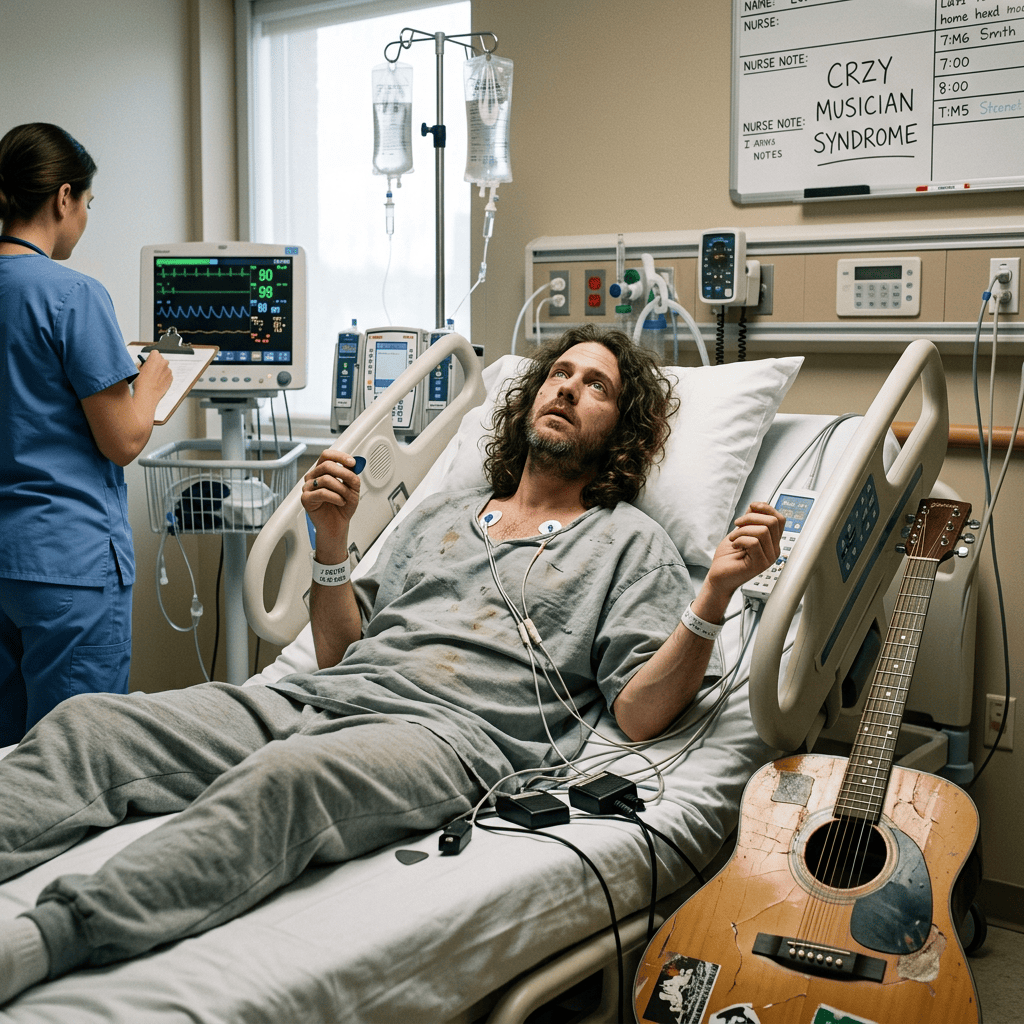

Warning: If you’re a musician, please read the following before joining your next band. Your mental health may depend upon it.
Hello. Today I’d like to discuss a serious disease that continues to afflict musicians around the world. One that can strike without warning. A disease for which there is no cure, no vaccine or any form of reliable treatment.
Tragically, most of those infected have absolutely no idea they have it.
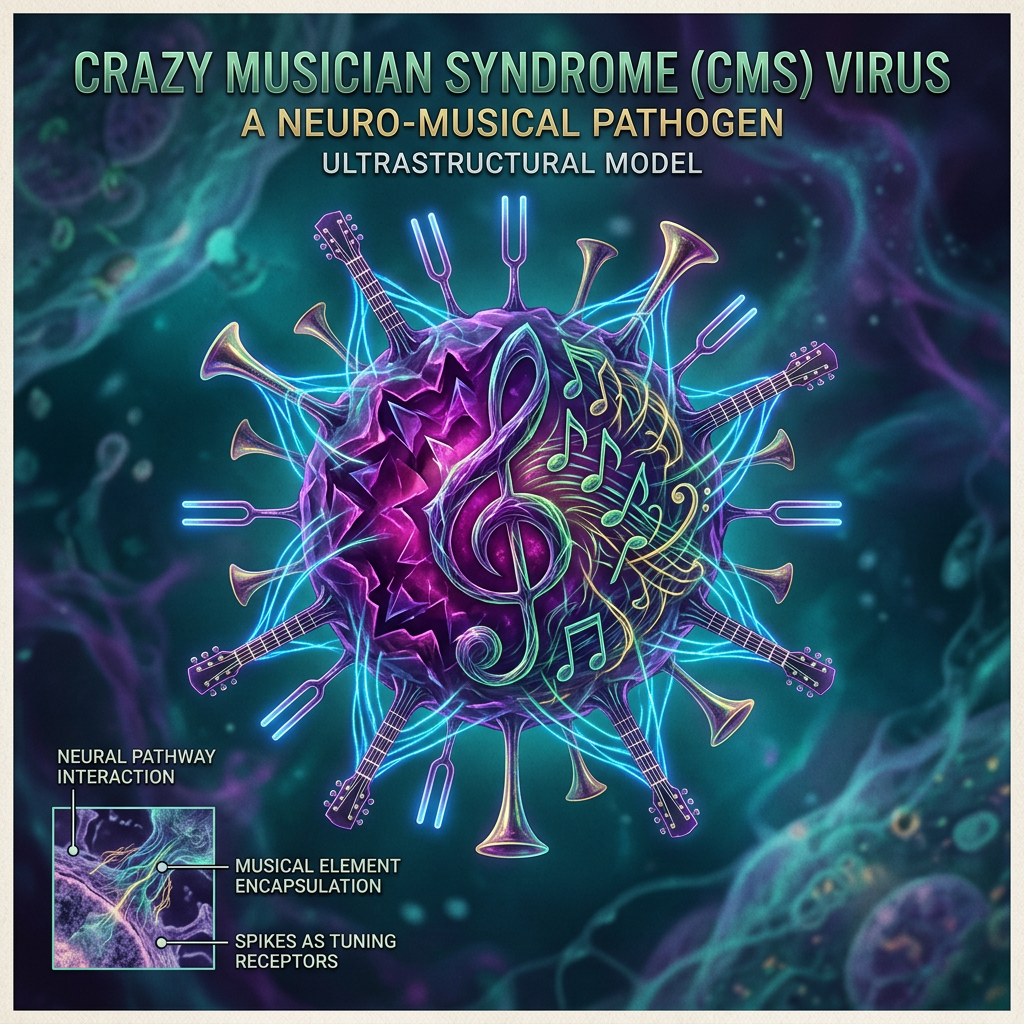
I’m talking about Crazy Musician Syndrome, or CMS.
Crazy Musician Syndrome does not discriminate on the basis of age, race, sex or instrument. The Centers for Disease Control has confirmed cases in guitarists, bass players, drummers, singers, and keyboard players. Scientists have also discovered that lead singers and guitarists often carry unusually high concentrations of whatever causes CMS, though more research is needed.
CMS has destroyed friendships, marriages, local bands and, in extreme cases, groups that were making millions of dollars.
The Beatles.
Pink Floyd.
Guns N’ Roses.
Oasis.
And approximately 14 million local bands that were three rehearsals away from “really starting to get serious.”
The origins of CMS remain unknown. Some historians believe it began shortly after the first human being picked up a stick, hit something with it and another human being said:
“Dude, you’re rushing the tempo.”
And music has never been the same since.
What Is Crazy Musician Syndrome?
CMS is a mysterious condition affecting people who play music with other people.
Symptoms usually appear after several weeks or months of perfectly normal behavior. Everyone is getting along. Rehearsals are productive. Songs are coming together. Somebody creates a band Facebook page. You finally have enough material to play three sets.
Then you book your first paying gig.
That’s when CMS becomes active. The infected musician suddenly begins behaving irrationally, usually within 24 to 72 hours of an actual opportunity to make money.
Scientists call this the Gig Proximity Effect or GPE.
Here are some of the most common forms of CMS:
The Significant Other Variant (SOV)
One of the oldest and most powerful strains of CMS involves the boyfriend, girlfriend, husband or wife who suddenly decides they hate the band their significant other is in.
It usually starts innocently.
“Hey babe, how long is rehearsal tonight?”
Then the question becomes a statement:
“But you practiced last week.”
Followed by a more direct question:
“Why do you need to play there?”
And finally:
“I just think you need to decide what’s more important.”
At this point, the musician, who previously spent six months telling everyone how committed they were, arrives at rehearsal looking like someone just shot their dog.
“Guys, I need to talk to you.”
Real life example: I knew someone whose significant other constantly complained about him playing in a band with us. She told him she didn’t like us, even though she never met us.
The strangest part of all? She met him at a gig while he was playing in another band.
Apparently, she assumed the bass, amplifier and performing in front of people were just some sort of elaborate mating ritual that would cease once the relationship became official.
Eventually, he quit.
CMS: 1.
Rock and roll: 0.
The Sudden Relocation Variant (SRV)
Another classic form of CMS occurs when a musician in a band abruptly announces that he or she must travel somewhere far away.
Not next month. Not after the shows that are already booked. Immediately.
Real life example: Back in the early 1990’s, I was playing in a band that had spent months rehearsing in our drummer’s basement. Things were finally coming together. We had the songs down. We had the equipment. We were getting ready to start playing out.
Then one night the drummer called me.
“Hey man. Just wanted to let you know I’m going to Texas Friday.”
“Cool. Have fun, dude. See you next week.”
“No, dude. I’m going to Texas and I probably won’t be back for six months.”
Excuse me?
There was no emergency. Nobody was sick. Nobody had died. He just suddenly felt an overwhelming need to go hang out with his brother in Texas.
Months of rehearsal ended with the rest of us carrying amplifiers up his basement stairs.
To this day, I remain convinced Texas is one of the largest untreated CMS hot zones in America.
The Disappearing Musician (TDM)
This may be the most frightening form of CMS because the infected musician simply vanishes.
No argument.
No dramatic announcement.
No “creative differences.”
He or she just disappears.
Texts go unanswered.
Calls go straight to voicemail.
The group chat shows Read 8:42 PM followed by three weeks of silence.
Meanwhile, the person is clearly still alive because they posted a picture of their breakfast on Instagram 11 minutes ago.
Real life example: I once played in a band that needed a PA system. I bought the equipment with my own money after everyone agreed to reimburse me for their share.
Payments started coming in.
Then one member just disappeared.
Calls weren’t returned. Messages went unanswered. We even stopped by his house.
Nothing.
He had apparently entered the Musician Witness Protection Program.
I never heard from him again.
Somewhere out there is a man who still owes me money for a PA system. With interest, I believe I now own his house.
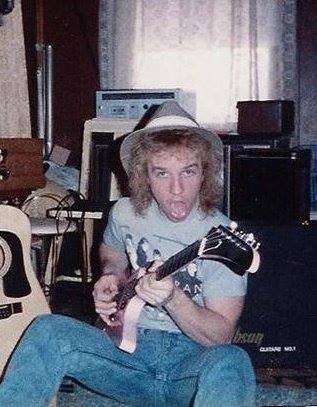
The Creative Differences Strain (CDS)
This version generally begins when someone in a cover band suddenly develops artistic integrity.
For six months, everyone happily plays AC/DC, Journey, Tom Petty and Bon Jovi.
Then one night:
“I don’t want to play Sweet Child O’ Mine anymore.”
Why?
“It doesn’t represent where I am creatively.”
You’ve been playing it every Saturday night at a bar next to a bowling alley. I think your artistic legacy will survive.
Lead Singer Syndrome (LSS)
Technically, this may be a separate disease, but researchers believe it shares DNA with CMS.
Symptoms include referring to the band as “my band,” requesting that his or her picture be slightly larger on promotional material and developing an unexplained inability to help carry equipment.
The condition becomes especially severe if someone in the audience recognizes them at Walmart. At that point, there is very little modern medicine can do.
Social Media-Induced CMS (SMI)
This strain did not exist when I first began studying the disease. Technology has made it significantly worse.
A musician notices that a 17-second video of themselves playing guitar received 3,200 views on TikTok.
Within hours, they begin questioning whether being in a band is “holding them back.”
By Friday, their Instagram bio reads:
Artist | Musician | Creator | Producer
By Sunday, they’re announcing a solo project.
The solo project consists of one song recorded on an iPhone followed by eight months of motivational quotes.
The Equipment Mutation (TEM)
This occurs when a musician becomes convinced that the reason the band isn’t successful is because they don’t own enough equipment.
Another guitar is purchased.
Then another amplifier.
Then pedals. Then more pedals.
Then a pedalboard for the pedals.
Then a power supply with UPS backup for the pedalboard.
A $300 device whose only apparent purpose is making the guitar sound exactly like it did before purchasing the device.
Eventually, the musician owns $14,000 worth of equipment to play four shows a year for $75 and two drink tickets.
The Reunion Phenomenon (TRP)
One of the strangest things about CMS is that symptoms can sometimes disappear after several years.
The guitarist who stormed out in 2009 suddenly sends a text:
“Hey man. Been thinking about getting together and jamming sometime.”
Everyone has forgotten why they hated each other.
The drummer now has a finished basement.
Someone still owns the dusty PA.
For one magical evening, everyone plugs in again.
The first song sounds surprisingly good.
Someone smiles.
“Damn. We should start playing out again.”
And that’s when you know the disease has returned.
What Can You Do?
Unfortunately, there is still no known cure for Crazy Musician Syndrome. Researchers recommend that musicians watch closely for early warning signs:
- Sudden talk of “going in a different direction.”
- Messages beginning with “Guys, I’ve been doing a lot of thinking.”
- Unexpected spiritual awakenings.
- New romantic relationships.
- Solo projects.
- Moving to Texas.
- An outright refusal to play songs people actually want to hear.
- Leaving the group chat.
And, perhaps the most dangerous phrase in the English language:
“We need to talk before rehearsal.”
If someone you know exhibits these symptoms, remain calm.
Do not confront them.
Slowly remove all guitars, microphones and drumsticks from the immediate area.
And whatever you do, do not book a paying gig.
That only accelerates the disease.
Please share this information with musicians everywhere.
Together we can raise awareness.
Together we can support those affected.
And maybe someday we’ll finally answer one of the greatest mysteries in medical science:
Why is it so damn difficult to keep five musicians in the same band?
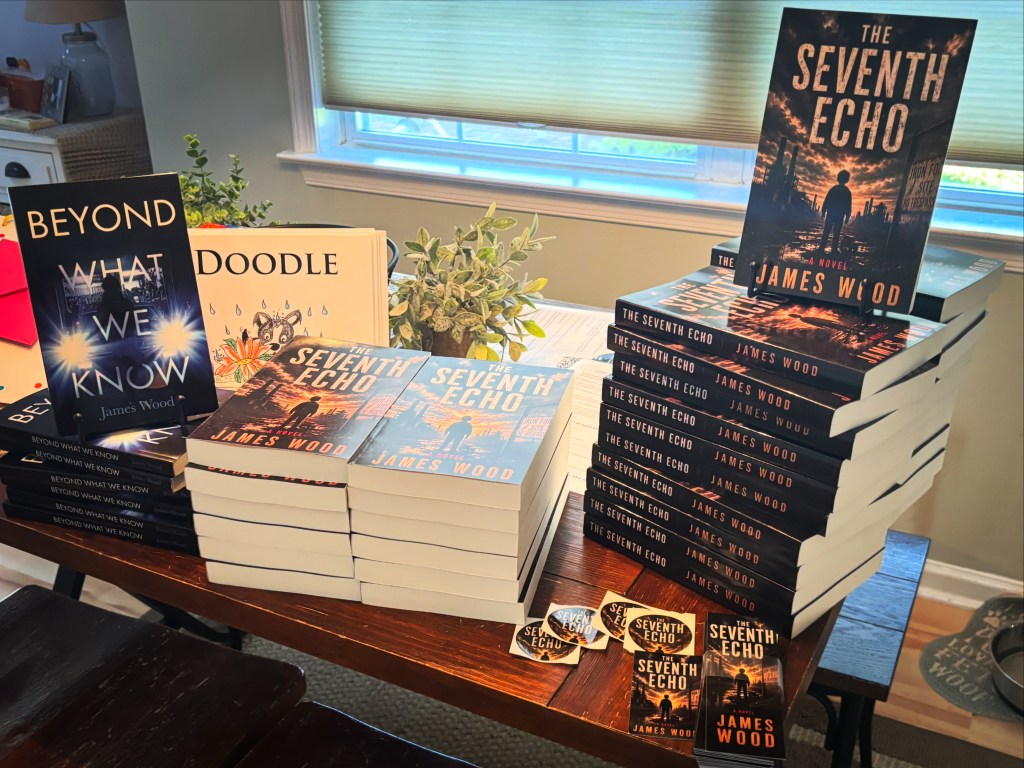
My new novel, “The Seventh Echo,” is available now from
Adverse City Publishing
© 2026 James Wood

 go.Jimmy.go
Leave a comment