Category: Interview

Selenis Leyva Discusses The Success of Orange Is The New Black

Photo
Selenis Leyva (Photo credit: King PDT)

At the beginning of season one of “Orange Is The New Black”, show creators were a bit unsure as to what direction actress Selenis Levya’s character (Gloria Mendoza) was going to take.

But by the end of episode thirteen, it was quite clear that Mendoza had become a central fixture of the groundbreaking NetFlix series; taking over the prison kitchen system that had once been dominated by the feisty Red (Kate Mulgrew).

It’s a testament not only to the show’s brilliant writing, but also to Leyva’s sassy portrayal of Mendoza that’s allowed her character to develop over the course of the series; one that revolves around the story of Piper Chapman (Taylor Schilling), a woman sentenced to 15 months in prison after being convicted of a decade old crime.

Filming for season two is already underway with more amazing developments, plot twists and turns and surprises in store.

I had the opportunity to speak with Levya about her role as Mendoza as well as some of her other upcoming projects. She also discusses the appeal of shows like OITNB and when she knew she wanted to be an actress.

What first attracted you to Orange Is The New Black?

I am a huge fan of “Weeds” and after hearing that Jenji Kohan was writing and also the executive producer, I knew it was something I wanted to be a part of. I’m a big fan of dramedy, and Jenji’s known for dealing with seriousness and adding elements of comedy to it. That really speaks to me.

How do you prepare for a role like Gloria Mendoza?

Gloria’s definitely a New Yorker. She’s someone who was raised in the city and there’s a certain sass and fierceness that all New Yorker’s have. I was born and raised in New York, so I was able to dig into my own sassiness and bring that forward.

Years ago, I worked in a theater arts program where we went to juvenile facilities and worked with teenagers who had been incarcerated and developed workshops and plays with them. I never would have thought that years later I’d be looking back at that time for my own research, but it was wonderful to have that kind of experience.

What’s the atmosphere like on the set?

It’s amazing. We all were kind of like freshmen in college for season one and immediately formed this close bond with each other. For season two, we’re more like sophomores, but we’re still this one amazing family.

OITNB

Were you aware at the time of how successful the show would become?

I had a feeling it was going to be groundbreaking. Not just because of the amazing cast members and what I watched them do, but also because the writing is so good. We have a transgender on the show and women of various ages, shapes, sizes and platforms. It was something that had never been done before.

What do think makes shows like OITNB more appealing than those on network television?

I think a lot of it has to do with being allowed more creative freedom. The beautiful thing about Netflix is that you’re able to put it all out there at once. Network television is more censored and there are a lot of factors you have to take into consideration regarding viewership. Here, we’re able to take big risks where as the networks have to play it safer.

Was being an actress something you always aspired to be?

I always knew. I didn’t grow up in a houseful of artists, but my parents always used to watch telenovelas (Spanish soap operas) with lots of drama, tears and crazy plots. I remember just loving the idea of being able to express all of these emotions. I used to lock myself in my room and reenact all of these scenes. I knew then that it was what I wanted to do for the rest of my life.

Tell me a little about your upcoming projects.

I have a supporting role in the upcoming film “St. Vincent De Van Nuys”. Its outrageous and funny. Bill Murray and Melissa McCarthy are comedic geniuses and for me to be attached to something so fantastic is amazing. I also have an indie film called “Living With The Dead”. It’s a story that’s completely different from what audiences have been used to seeing me do and a lot more serious. I’m really looking forward to them.

What can fans can expect from Season 2 of Orange Is The New Black?

The next season is going to be deeper. We’re really exploring more of the stories with the characters and the different people who make up the amazing world of Orange Is The New Black; both inside and outside of prison. We’re still shooting so I can’t say exactly what surprises lie ahead, but I can tell you that I’m in the season and that I’m in the kitchen. It’s going to be spicy, and a lot of fun. 


Wild Revival: Jared James Nichols Talks New Album and The Blues

OldGloryWildRevival

Being a great blues guitar player is something you can’t teach. It’s also something you can’t learn through osmosis or pick up from memorizing a songbook. It comes from the soul and either you’ve got it or you don’t. In the case of Jared James Nichols, the former applies.

Sure, the twenty-two year old guitarist took a few lessons in the beginning [and even did a stint at Berklee], but Nichols has spent most of the last eight years being locked inside of a room; taking everything he loves about the blues and finding his own voice.

Nichol’s latest album, Old Glory & The Wild Revival sounds more like the title of an old western movie, but it’s really about movement. Produced by Warren Huart, who’s credits include Aerosmith and The Fray among others, Nichols’ EP is a refreshing reminder that real blues comes from within.

I spoke with him about the new album, his playing style and gear.

Why the title: Old Glory & The Wild Revival?

“Old Glory” is what I call my Les Paul. It’s kind of a miss mash, crazy looking old custom with a ’58 body and ’68 hardware. I  really liked th guitar when I bought it because it was so bad ass; all beaten and torn up. It kind of reminded me of the old American flag. It had such a great sound that I decided to use it on the record. Besides a Dobro, I used it for all of the guitar parts. The “wild revival” symbolizes what I want to create with the blues movement. I figured “Old Glory and The Wild Revival” because that’s what’s happening.

What was it like working with Warren Huart?

I met Warren while he was working with Aerosmith at The Swing House [where we recorded the EP]. I was at the studio while they were recording and Steven [Tyler] really liked my playing and asked Warren to work with me. Once they were done, Warren approached me about getting together. Not only did he produce the album, but he also mixed it and co-wrote four of the songs on it as well. We did a lot together.

Jared James Nichols

Tell me the origin of the song, “Let You Go”

It started out as an old Jimmy Reed meets Lightnin’ Hopkins kind of feel.  Although it sounds nothing like it, that’s where I got that main slinky guitar riff and it cued the whole song. I started jamming it and Warren said “Hey, what’s that?” So we started talking about the band Free and how amazing Paul Kossoff  was. We mixed in a lot of different influences. It was very organic and we didn’t over think it.  After the main riff, the song pretty much wrote itself.

Why the ‘V’ as opposed to the traditional Strat for the Blues?

For me, it’s always been about trying to sound different. Some people are just too safe with guitars and music in general. I was attracted to the V, not just because some of my heroes like Albert King and Lonnie Mack played them, but also because of the tone. It’s a really flat long piece of mahogany that has this great mid-range bite. I’ve played Strats forever, but got burned out on them. i wanted something different and moved to the V to get more of the humbucker sound. Once I did that, I also dropped the pick as well. The V [and the Les Paul] just have a much fuller sound.

Did you find it difficult dropping the pick?

From a practicing stance and having to relearn licks it was at first, but playing without a pick is much more intimate. You can get so many different sounds just using his fingers. The pick has a sharp sound, but I developed my own by using my fingers. It was a weird transition at first, but it also helped me break the rules and just go for it.

Tell me about your “connection” to Stevie Rae Vaughan.

When I was growing up, I lived right next to Alpine Valley where he died. A lot of the people I’m related to were actually first responders to the accident. So growing up, it was always apparent to me that he played his last concert there. I remember when I first heard him play, I was like, “Oh, so THIS is how you play guitar. Now I know exactly what I need to do!”

What’s your live set up like?

In a usual club setting, I’ll use either the Flying V or Les Paul along with a 2×12 cabinet and 50 watt Blackstar head. I’ve been using them for about a year and a half and like to run it like an old Marshall. It’s loud and in your face. I’ve recently modded the Les Paul so it’s almost like a Junior now. It’s got just one pickup with one volume and one tone. For pedals I have T Rex Yellow Drive which I use for more gain and boost. I have a Chicago Iron Octavia [which gives me some freaky stuff] along with an Xotic Effects EP Booster. It’s the least amount of stuff to get my fingers through the speakers.

You also studied at Berklee. What was it like being a “blues” guy being in that “structured” environment?

It was my first time being out and surrounded by amazing players and music. I knew when I got there that I didn’t want to be a teacher or one of those guys who knew every mode in every position. I just wanted to be the blues guy and play what I was feeling. I had a hard time trying to play that kind of music. I was feeling the blues in more ways than one. I already knew what I wanted to do. I just had to get out there and do it.

For more on Jared James Nichols, be sure to check out
his Facebook page by Clicking Here!

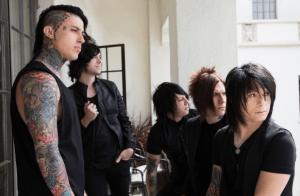
Ronnie Radke and Falling In Reverse Launch Bury the Hatchet Tour with Escape The Fate: “It Was Time”

FIREver since Ronnie Radke’s not-so-amicable departure from Escape The Fate, his subsequent incarceration and the formation of his new band, Falling In Reverse, both bands — and to an extent, their fans — have waged a semi-constant battle in the press.

Now, however, Radke has buried the hatchet with his former band.

To prove it, Falling In Reverse and Escape The Fate have joined forces to launch a major-market tour — the Bury the Hatchet Tour — which will make its way across the US beginning January 15, 2014.

Falling In Reverse’s sophomore album,Fashionably Late, which was released in June, introduces hip-hop and electronic elements to the band’s current combination of metal core and radio-friendly choruses, creating its own unique sound. The new album is also the first to feature bassist Ron Ficarro and drummer Ryan Seaman.

We recently caught up with Radke and discussed the album, the tour — and the end of his long, often bitter feud with Escape The Fate.

Read the rest of my Revolver Mag interview with Ronnie Radke
and see Tour Date information by Clicking Here!

DJ Havana Brown Discusses Music, Career

HavanaBrown2Since first hitting the scene in 2011 with her monster hit “We Run The Night”, DJ Havana Brown has been taking the world by storm. The Australian born beauty has built an impressive following; not only for her abilities as a DJ, but also for her hook-laden singles and catchy melodies. Her impressive resume includes stints as the supporting act for such artists as Lady Gaga, The Pussycat Dolls and Rihanna.

So it should come as no surprise that Brown’s latest single, “Warrior” combined with her already infectious charisma and string of #1’s will only add fuel to the fire in her pursuit of pop domination.

I spoke with Brown about her latest album, “Flashing Lights”, her career and the origin of two of her biggest songs.

How would you describe the “Flashing Lights” album?

I’d describe it as adventurous, club-pop. It’s edgy, but definitely influenced by the clubs. It’s pop because of the tempo, melodies and the catchy lyrics.

What’s your writing process like?

I always begin with the production and like it to be at a certain point to where I start getting a vibe from it. Once I get the vibe, it helps with building the concept and mood of the song. The production is just as important as the melody and the lyrics.

Let’s discuss the origin of a few of your songs: We Run The Night.

I was in Australia working with different writers and producers and had this idea in my mind. I wanted a pop record, but I wanted there to be Dutch breakdown after the chorus. I wanted a certain kind of sound and I could hear it in my head. Some people were telling me it was too “pop” or that it was too “club”. Fortunately, I was able to work with a duo here who totally got both worlds. They wrote and produced the song. It was the inspiration for what I was after, and “We Run The Night” was born.

Big Banana

When R3hab first played me that beat, I knew the song couldn’t be about something typical. It had to be about something quirky. It was actually inspired by the song “Short Dick Man”, taking it and having a little bit of fun with it.

Have you noticed any differences between American audiences and those from Australia?

Not really. A few years ago, the States were a bit more into hip hop and RnB. But now, the music world has become a much smaller place and everyone has access to the same kinds of music.

HavanaBrown1

Tell me how your career began?

I was part of a group when I first left high school. We were doing a mixture of dance, RnB and reggae and eventually moved to the U.K where we were signed to a record label. It was a cool sound we created, but our album unfortunately never saw the light of day.

After the group fell apart, it became a very difficult time for me. We had signed a deal and I thought this was my time and that I was going to be able to do what I love for the rest of my life. After it had collapsed, I remember being in limbo and not sure of what I wanted to do.

The London party scene was incredible and I started going out partying nearly every single night. For a solid six months I would just go out and dance my sorrows away [laughs]. One night, I remember looking up at the DJ and thinking “Now THAT is the best job!” You didn’t have to worry about the politics of the music industry or getting a record deal and you could create a major success on your own. I liked the idea of being able to perform and entertain a crowd. That would be an amazing job.

Literally, the next morning I was messaging the guy who was part of the group (DJ Panos) and telling him what I wanted to do. Back then, I didn’t know any females who were in the industry, so I wasn’t sure what his reaction would be. But he told me he thought it was a brilliant idea and offered to teach me a few things. Those were the words I needed to hear. Once I started DJ’ing, everything fell into place and it was such a smooth transition. I felt like I was on the right path and I knew this was where I was meant to be.

Guitar World: Bangle’s Susanna Hoffs Discusses 80’s Album with Matthew Sweet

UnderThe CoversFor “Sid ‘n Susie Under the Covers, Vol. 3: The ’80s, Susanna Hoffs’ third album of cover songs with power popper Matthew Sweet, the Bangles vocalist/guitarist stuck to a decade that was very kind to her — the 1980s.
Unlike the duo’s two previous albums, which focused on material from the ’60s and ’70s, Under the Covers, Vol. 3 relies less on mainstream hits and focuses more on deeper album tracks.

Along the way, Hoffs and Sweet paint a broad spectrum of sonic art — complete with totally gnarly renditions of tunes by artists including Roxy Music, the Smiths, XTC, Lindsey Buckingham and R.E.M.

I recently spoke to Hoffs about the new album, which will be available November 12. We also discussed a few of her favorite memories from the ’80s.

As an added bonus, here’s my favorite Bangles song from the 80’s.

GUITAR WORLD: How did you and Matthew Sweet decide which songs to cover for this album?

Because we’re both fans of the music, it was so easy to pick songs. The hard part was actually trying to stop [laughs]. Musically it was a challenge, but it was a lot of fun finding ways to reinvent the songs and put our own stamp on them. We also got to think outside of the box because we approached things as a duet. It gave us a chance to really get into the emotion of the songs.

You can  the rest of my Guitar World interview with Susanna Hoffs by Clicking Here!

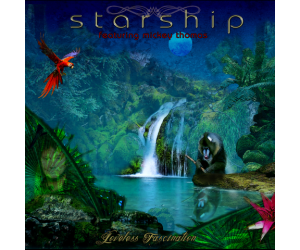
Starship’s Mickey Thomas Talks “Loveless Fascination” and Remembers Guitarist Mark Abrahamian

LovelessFascinationAlthough it’s been more than 20 years since Starship’s last album of all-new material [1989’s Love Among the Cannibals], the band’s latest release, Loveless Fascination, was certainly worth the wait.

Not only has vocalist Mickey Thomas been able to maintain his unique sound and range over the decades, but he’s added more of a thickness and growl to his vocals, allowing him to scream better than ever.

Produced by Jeff Pilson [Foreigner, T&N, Dokken], Loveless Fascination stays true to the band’s signature classic-rock sound, providing a much harder edge while taking Starship into the 21st century. I recently spoke with Thomas about working with Pilson on Loveless Fascination and a lot more.

Starship

GUITAR WORLD: It’s been nearly 25 years since your last studio album, Love Among the Cannibals, was released. Why the long wait?

I’ve started several projects during that time period, but for various reasons they never came to fruition. In order to make a really great record, you need to have a great team, and that means great songs, production, management and label. All of those elements never seemed to come together at the same time for us, but when this album came along everything just fell into place. I teamed up with Jeff Pilson, who’s not only a great producer, but also a great musician and songwriter. We instantly had this great chemistry and I realized this was the kind of Starship album we needed to make.

You can read the rest of my Guitar World interview with Mickey Thomas
by Clicking Here!

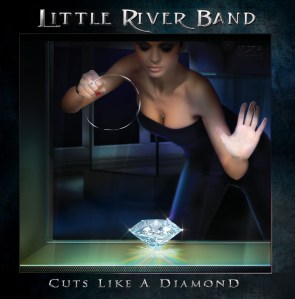
Little River Band Talks Amazing New Album, “Cuts Like A Diamond”

CutsLikeADiamondLittle River Band is showing no signs of slowing down. The band continues to perform up to ninety shows a year, bringing along its arsenal of radio hits that include “Take It Easy On Me”, “Cool Change” and “Reminiscing”. To date, Little River Band has scored 13 Top 30 Hits and has sold more than 30 million records.

“Cuts Like A Diamond” is the first disc of new original Little River Band material since 2003’s Test Of Time. For this project, the band went for a more west coast 80’s sound, while still embracing the harmony guitars, big vocals and contemporary feel they’re known for. The result is a well-produced album that’s easily on par with the rest of its classic catalog.

I spoke with bassist Wayne Nelson and guitarist Richard Herring about the new album and more.

What type of sound were you trying to go for with “Cuts Like A Diamond”?

Nelson:  The record label (Frontiers) approached us with a sound they had in mind. They wanted an 80’s AOR Little River Band album. There’s a wide range of material that the band has already done, and Rich gets a lot of credit for creating the landscape of this record. He’s a great producer and was in charge of the guitar parts and overdubs.

Herring: We strove to satisfy the label’s request for an 80’s production, but preserved the signature sound of LRB like big vocals and guitar harmonies. That’s what people think about when they think of Little River Band; the big vocals and high harmonies. That’s the key, and the guitars play a supporting role in that.

What was the writing process like?

Nelson: All of the songs came to me first, and the ones that moved the meter I sent to the record company’s ears. The road map was already in place so I knew where to aim for, but there were certainly some things about the 80’s that I wanted to leave behind, like reverbs that never end and the bad keyboard sounds [laughs].

Let’s talk about a few tracks from the album: Lost and The Lonely

Nelson: You can stack that song up against “Lonesome Loser” or some of the others, but that’s a Little River Band chorus. The interesting story was the original arrangement of the song had the uplifting chorus, but the verses were kind of dark and followed a different path. I remember asking the writers to change the verses to match the inspiration of the chorus and they came back the very next day with what you hear on the album. The video for the song is also powerful, especially considering the times we live in now. Those guys are defending people who are lost and lonely and can’t standup for themselves, and I couldn’t be prouder.

Who Speaks For Me

Nelson: The record label was concerned about the song’s subject nature at first, but I insisted we do it. It’s been a passion mine for years to try and do something to shed light on domestic abuse. When I started writing, I immediately thought of the kid alone in the dark and scared to death. The story just unfolded from there. A lot of people have asked if the message in the song was from personal experience. I tell them that it didn’t happen to me, but it’s happened to plenty of others and it was something I felt needed to be said.

Wayne, let’s discuss ‘Time Exposure’, which was the album right after you joined Little River Band.

Nelson: So much of the success and impact of that record came from George Martin (producer). When I joined the band, they were about ready to come apart at the seams. Four different people each wanted to take the band in four very distinctly different directions. No one was really getting along, and the band was literally being held together by its success. We all knew we had to do a record and suddenly, here comes the producer for the Beatles. George literally smoothed out the waters and got us through those six weeks to get the record out. We wound up getting three top tens out of it: Night Owls, Man On Your Mind and Take It Easy On Me.

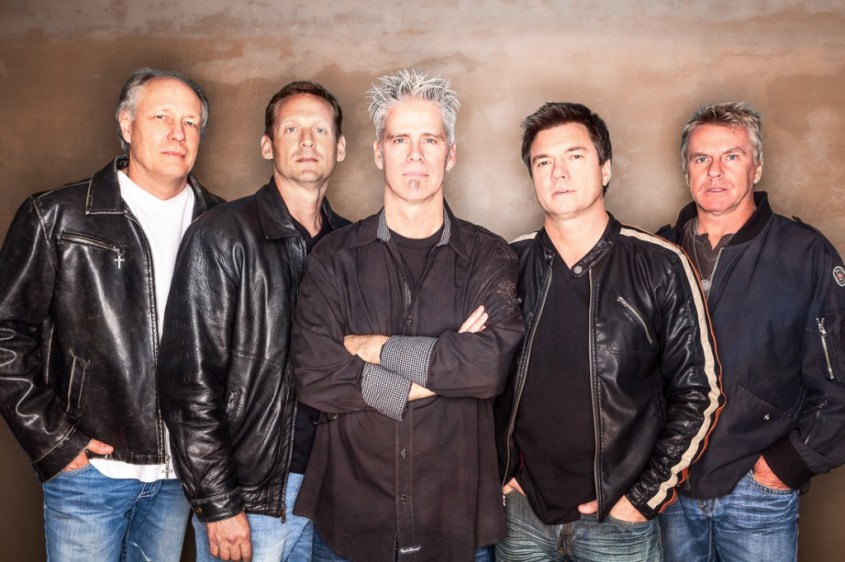
left to right: Wayne Nelson, Ryan Ricks, Chris Marion, Rich Herring, Greg Hind
Little River Band (l to r: Wayne Nelson, Ryan Ricks, Chris Marion, Rich Herring, Greg Hind)

Rich, what’s your current set up like?

Herring: I’m using two class-a amps in stereo. They’re called New Vintage and were built in Minnesota by a guy named Nick Patullo. We were on a fly date using rented gear and they had some of Nick’s amps there. I remember playing through it and couldn’t believe how great it sounded. I bought one and started using it in stereo with my Matchless C-30. Later, I called Nick to see if he had a head version of the same thing. He told me that he didn’t have one, but he could build it! The one that he built me one sounded exactly the way I wanted it to. He didn’t have a name for it, so he decided to call it the RH-36. So I now have my own amp [laughs].

Now that the album is finished, what satisfies you the most?

Herring: It’s put new life into the show. It’s also an honor for me personally to play the old hits and deliver them night after night. I like to tell people that I get to play “Cool Change” every night, and I never get tired of it.

For More on Little River Band

Official Website: http://littleriverband.com/

Facebook: https://www.facebook.com/littleriverband

Flood The Engine: Firehouse Guitarist Bill Leverty Discusses New Project

FloodTheEngineFirehouse guitarist Bill Leverty’s latest project, Flood The Engine is classic, melodic hard rock at its finest. Together with Keith Horne (bass), Andre LaBelle (drums) and Jimmy Kunes (vocals), Leverty’s managed to channel elements from many of his favorite guitarists while also adding his own personal flair, giving the album a much broader appeal.
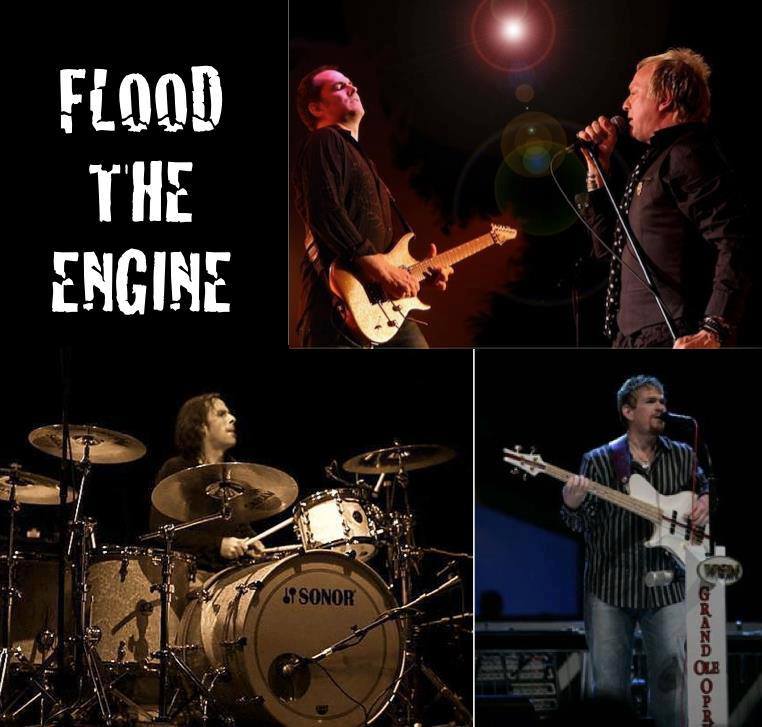
In addition to the killer vibe this combination of players brings to their own original compositions, the eight track opus also includes two tasty renditions of mid-70’s gold: “All The Girls Are Crazy” (Back Street Crawler) and “Love Is Alive” (Gary Wright).

I sat down with Leverty to talk Flood The Engine and more.

What started the Flood The Engine project?

Keith Horne called me up one day and asked if I’d be interested in putting together a recording project. I knew that he had recently moved back to the area and doing anything that Keith’s involved with is a huge honor. I asked him who he had lined up for a drummer and he said Andre (LaBelle); who I’ve known since the early 80’s. Andre and I had always wanted to work together, but were both in different bands.

How did you hook up with Jimmy Kunes?

When we were looking for singers, I suggested him. Jimmy has elements of all of the great classic rock singers all rolled into one. When his vocal cords rub together, it sounds so good. Once we had all of the pieces in place, Jimmy came down on a train from New York City and we wrote and recorded the album.

How was writing for this album different from writing with Firehouse?

It’s kind of similar in some ways and different in others. Generally, I’d come up with a guitar riff and then send it off to Jimmy; or Andre, Keith and I would assemble a song instrumentally together and send it to Jimmy. Sometimes we’d give him an idea of what we had in mind, but we always gave Jimmy the freedom to do what he wanted to with his voice and lyrics. We wanted to make sure that everybody could put their own individual style into the project and then we’d showcase it all as a group.

FloodTheEngine1
Let’s talk about some songs on the album: “Lay It All On Me”.

That was the first song we wrote for this record. I had sent Jimmy a demo of some music with just a basic beat and a guitar riff. He immediately got some lyrics and a melody together. He also had an idea of what to use chord wise. In addition to being a phenomenal singer, he’s also a very accomplished guitarist.

“All Your Trouble”.

That one started with a guitar riff as well. I remember we had worked out the music and then Jimmy [with his creative mind] came in and just started scribbling down lyrics. To watch him work is amazing. He just has a pad of paper and a pen and scribbles like there’s a typewriter going off inside of his head and he’s just trying to keep up with it [laughs].

“Open And Undone”.

That song started out with Andre’s drum beat. He and I sat in a room together for a few hours and put together the music for it. The song has a simplistic rhythm, but a very unique beat. It creates such a perfect mood.  I remember Jimmy listened to it for a while and then had another scribble session where he got very spontaneous. It was another one of those things where we gave him a skeleton of a song and he just went to town on it.

In addition to six originals, you also have two covers on the album. [“All The Girls Are Crazy” & “Love Is Alive”]. Was there a reason why you chose those particular songs?

Jimmy and I had recorded a version of All The Girls Are Crazy” together a few years ago. He and I have a common ground appreciation of Paul Kossoff, and that song in particular was one of our favorites. What Andre and Keith added to it was awesome.

Keith was the one who mentioned that he had always wanted to do a version of “Love Is Alive” and it was the perfect suggestion. I remember hearing that song when it first came out and thinking what a great tune it was. People who hear it today can still identify with it lyrically and the melody works so well with Jimmy’s voice and soulful delivery. It’s such a unique song and it also gives Keith a chance to shine as well.

What gear are you using for your live rig now a days?

I’m using a Fractal Audio Axe Fx II. I go from that direct into a monitor console and straight into the front house PA. It’s a two rack space unit that you plug into. It has over a hundred different amp and speaker cabinet combinations along with every rack effect you can imagine. So it can be used to sound like any amp you want. I’ve actually sold nine of my amps since I’ve gotten it. It’s the greatest thing that’s happened to the electric guitar since the pickup.

What satisfies you the most about Flood The Engine?

The goal of this project was to put together an album that we all felt good about.  For me, being able to get together with these guys was an honor, and I’ve enjoyed every minute of the process.

For More On Flood The Engine:

Official Website:  http://floodtheengine.com/

Flood The Engine Facebook: https://www.facebook.com/FloodTheEngine

Vocalist John Elefante Discusses New Solo Album, Video and Kansas

ElefanteCoverSince the mid 1980’s, John Elefante has been forging his own path as a multi-award winning vocalist, producer and member of the band Mastedon. Elefante and his brother, Dino also founded the popular Sound Kitchen studio which became a hot spot for artists like Buddy Guy and Bruce Springsteen.
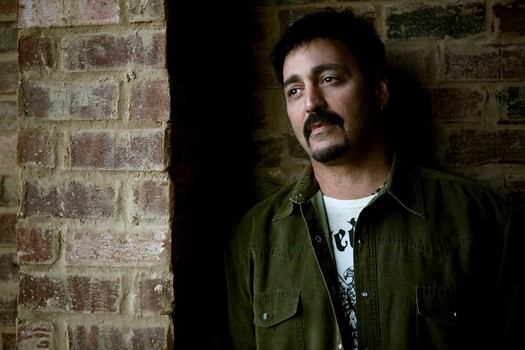
But Elefante is perhaps best known for his tenure as lead vocalist for the band Kansas in the early 80’s, contributing (among other things) the guitar driven song “Fight Fire With Fire” while performing alongside guitarists Richard Williams and Kerry Livgren.

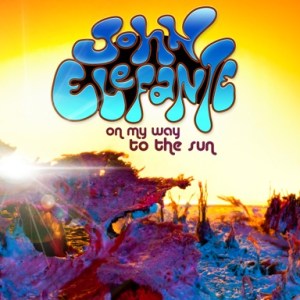
Fans of the Kansas sound will be delighted to discover that Elefante’s new solo album, “On My Way to the Sun” showcases Williams’ guitar work (along with Kansas violinist David Ragsdale) on the roller coaster track “This Is How The Story Goes.” The album also features the song, “This Time” which Elefante wrote about his adopted daughter who was nearly aborted. The video for the song has since gone viral on You Tube.

I spoke with Elefante about his latest album and video. We also discuss how he joined Kansas and his most memorable moment with the band.

Tell me a little about the making of On My Way To The Sun.

The record industry has changed so much over the past few years that for this project I decided to hook up with Kickstarter. The cool thing about it is, your fans don’t give you money apprehensively. They’re glad to be a part of the project and that really inspired me. It was a team effort and I really wanted to deliver the best record I could.

You have Dave Cleveland doing a brunt of the guitar work on this record. What’s it like working with him?

Dave Cleveland is one of the most underrated guitar players in the world. He’s carved out a niche in the Christian market and is the go to guitar player for any style of music. I can’t say enough about him. He’s the most imaginative guy I’ve ever worked with.

Tell me how you recruited Kansas members Rich Williams and Dave Ragsdale for the song “This is How The Story Goes”.

Originally, I had sent the song to Phil Ehart (drums) and asked him if he’d like to play on it. Phil loved the song, but couldn’t commit because of a scheduling conflict. That’s when I decided to send it to Rich. He loved the song and then sent it to Dave, who also wanted to be a part of it. You have to admit, for a song that sounds a lot like Kansas by nature it becomes even more validated when you have a few of the guys in the band playing on it [laughs]. I really wanted one roller-coaster ride of a song that takes you on a journey, and this one was it.

What was the inspiration behind the song, “This Time”?

I wrote that song from a very honest point of view. It’s based on the true story of how my daughter came into the world. She was almost aborted and thank God she wasn’t. I was literally writing two lines at a time and singing it when I wrote it. The song just flowed line by line.

Were you aware of the controversial nature of the song as you wrote it?

When I sat down to write, there was never any intention of me writing a pro-life or anti-abortion song. But in telling the story, I had to write about how she almost didn’t come into the world. When you put the visual to it from the video, all of that stuff suddenly comes into play. The first week we had over 100,000 views. Comments on it were both good and bad, but that’s to be expected. People are passionate on both sides. But I believe in the sanctity of life, and this is my side of the story.

Tell me how you got into Kansas.

I was out in California trying to score a record deal when I heard that the singer in Kansas had left the band. So I called up my attorney and asked him what he thought about trying to get my demo to those guys. He says “Done”. I said “What do you mean, ‘done’?” Apparently, the attorney for Kansas was literally right in the next office. So my attorney walked my demo over to their attorney [laughs]. Next thing you know, I’m hearing from their manager. Everything all came together.

Kansas was one of the biggest bands back then. What was it like going to the “big time”?

Everything was happening so fast that I didn’t really have much time to think about it. I was concentrating on getting songs on the new record and putting my best vocal performances forward. Then, we immediately started rehearsing for a tour.

Elefante

Can you tell me the origin and meaning behind the song “Fight Fire With Fire”?

My parents had converted their garage into a studio and my brother and I used to spend hours and hours there. That’s where we wrote it. I think the whole song came together in about 45 minutes. The message behind it is “I’m not going to be a wimp about what I believe. I’m going to stand up and fight fire with fire”. It’s kind of the world we live in. Whenever the band plays it live now, they dedicate to the military, which is awesome. Everyone’s fighting for some kind of cause.

What’s your best memory of being in Kansas?

I remember we played this all day event in Hershey, Pennsylvania. It was in a big stadium and there were probably around 50,000 people there. It was us and bands like Journey and REO Speedwagon. We were going on right as the sun was going down; the perfect time. I remember feeling like there was a competition going on, and I wanted to show everyone that Kansas was the best band there. Everything was perfect and the band was so on. I’ll never forget that day.

For more on John Elefante, check out his official website by clicking here!

Actress Jena Sims Discusses “Last Vegas”, Film Career and Charitable Work

jenaActress Jena Sims is a star on the rise. The beautiful Winder, Georgia native and 2007 Georgia Miss Teen USA has already racked up some impressive credits, having worked alongside Hollywood legends Roger Corman and John Landis.

On November 1st, Sims is set to share the big screen with Oscar winners Morgan Freeman, Robert DeNiro, Michael Douglas and Kevin Kline in “Last Vegas”, a film which tells the story of four life long friends in their late 60’s who decide to have a soiree in Las Vegas to celebrate the last of them to get married.

Sims is perhaps best known for her performance as Cassie Stratford in the 2012 summer’s hit “Attack of the 50 Foot Cheerleader”, a role she was personally selected for by producer Roger Corman.

I had the pleasure of speaking with Sims about her film career and charitable work in this exclusive interview.

How would you describe the story of “Last Vegas”?

I like to think of it as kind of a geriatric version of “The Hangover” [laughs]. It’s a story about four older guys who go to Vegas for one last hoorah. Craziness ensues, but in the end, everyone comes together and has a great time. For me personally, it was amazing to be involved in a movie with so many Oscar winners. It’s a dream come true.

What can you tell me about your role as Abby in the film?

Abby is Jerry Ferrara’s (Entourage) love interest. Jerry has a side story in the film and Morgan Freeman’s character teaches him how to pick up a girl and flirt with her properly. I play the role of the girl that he courts.

Let’s discuss your role in “Attack of The 50 Foot Cheerleader”. What attracted you to that story?

The character had “me” written all over it. I was a huge nerd in high school and graduated near the top of my class. I was also involved in cheering and dance and joined a sorority when I went to college. So it was pretty much my life story, minus the whole growing thing of course [laughs]. It’s comedy, but In a way it’s an ugly duckling turns into a beautiful swan kind of story. It’s about finding yourself and where you belong and about being true to yourself.

What was the filming process like?

We shot for about two months in and around LA. It was a great experience and one of my favorite sets to be on. The younger members of the cast were all close in age so we all got along great and really bonded. We all still keep in touch with each other.

Was acting something you always wanted to do?

Growing up, I always knew I wanted to be an actress. I used to watch soap operas on TV with my mom and remember thinking how beautiful the actresses were and wanting to be just like one of them. When I was around 15, I started competing in pageants and in 2007 was crowned Miss Georgia Teen USA which was televised nationally. It was my first taste of entertainment.

What other projects have you been working on?

Over the summer, I filmed “American Beach House”, which also stars Mischa Barton and Lorenzo Lamas. I’ve also finished a crime drama called “Kill The Messenger” which is based on a true story. It’s about cocaine smuggling in Nicaragua and the CIA’s role in it.

Currently, I’m working on a comedy with Jamie Kennedy called “Angel Investors” and in January, I’ll be heading to New York to film a horror project called “House of the Blood Sisters”.

Tell me a little about your charity work.

In 2006, I started my own charity called Pageant of Hope. It’s for kids who are facing challenges and ones who normally wouldn’t compete in pageants. We’ve been to Cuba, South Africa, Australia and all over the U.S with it as well. We crown every participant (both boy and girl) with different titles; like “Most Confidence” or “Most Vivacious”. The best part of all is that regardless of what title they receive, every kid leaves that day as a prince or a princess. It’s wonderful to be able to give something back.

For more on Jena Sims check out her website by clicking here!