Fans of contemporary jazz, r&b, hip hop and alternative rock have reason to celebrate. On February 26, Concord Jazz will release Cover Art, a new recording by NEXT Collective; an ensemble recording by the next generation of jazz greats that features saxophonists Logan Richardson and Walter Smith III, guitarist Matthew Stevens, keyboardists Gerald Clayton and Kris Bowers, bassist Ben Williams, drummer Jamire Williams, and special guest trumpeter, Christian Scott.
The album, produced by Chris Dunn and NEXT Collective, features jazz interpretations of contemporary pop, hip-hop and R&B songs by such artists as Bon Iver, Drake, N.E.R.D, Little Dragon, Pearl Jam and Jay Z and Kanye West.
The range and feel of the music on Cover Art speaks both to the arranging talents of the members and also to the diversity of their collective tastes. Hip-hop and punk-funk, singer-songwriter, guitar-pop, electro-R&B and alt-rock are all integrated and explored by these jazz innovators.
Fans can get a sneak peak of the full album with an iTunes’ 3-track exclusive that exemplifies the diversity and daringness of the musicians involved. Included are covers of Jay Z and Kanye West’s “No Church In the Wild,” D’Angelo’s “Africa,” and Pearl Jam’s “Oceans.” Cover Art is definitely an album worth checking out!
You can listen to samples and purchase the preview release by clicking here
After tracking songs for what was once to become a new Lynch Mob album, drummer Brian Tichy proposed the idea of bringing together George Lynch, Jeff Pilson and Mick Brown (the “Big Three” of Dokken) for a project similar to what Heaven & Hell was to Black Sabbath.
The result is T&N, and a new album, Slave to the Empire.
The album is packed with melodic, thought-provoking music that captures the spirit and magic of the classic metal genre. Featuring seven original songs (with Pilson on vocals) as well as five re-recorded Dokken classics with vocal performances by Tim “Ripper” Owens, Doug Pinnick (Kings X), Sebastian Bach and Robert Mason (Warrant), Slave to the Empire also adds to the mix the hard-hitting, multi-talented drumming of Brian Tichy.
A second album of new material and classic Dokken songs is slated for next year that will also coincide with a tour.
I spoke with Lynch to get his thoughts on Slave to the Empire as well as his other passion: the documentary Shadow Train.
goJimmygo (gJg): What’s the genesis of the T&N project?
George Lynch (GL): Initially, Jeff [Pilson] and I were writing for what we thought would be the new Lynch Mob record, but it turned out not to be a “Lynch Mob” kind of album. Instead, we decided to turn lemons into lemonade and do our own record. One of things we wanted to do was make a concerted effort to make the connection between our Dokken legacy and our newer writing efforts by combining classic Dokken songs alongside our newer compositions.
gJg: Was there ever thought given to an all original Dokken reunion?
GL: There’s always been talk of it, but it went nowhere, obviously.
gJg: What was it like revisiting the Dokken material again?
GL: It was a little surreal recording those songs again with the same guys. It was also a lot of fun. We were so comfortable with the material, having all been playing it on and off for years. We felt that we could liven the music up and bring new life to it.
gJg: How do you come up with your riffs?
GL: I can’t really say how it works. I think that after listening to all of the music I grew up with, a creative synthesis occurs and something just flows through me. As long as I’ve got a good sound, I just plug-in and with the magic of the studio, inspiration hits. It’s an adventure. The thing is, you never know what’s going to happen when you plug-in and get together with a group of guys and start creating.
gJg: Does Slave to the Empire have a message?
GL: Absolutely. The whole record’s a message. On the surface, people might say that it’s a political one, but I prefer to call it an exploration into truth and human nature. That’s really the job of the arts and music specifically; to convey a message beyond what the music might imply. Historically, that’s how it was done in the past, especially during the late ’60s and early ’70s. Rock and roll music was a catalyst and vehicle for change and we felt the need to take up that torch and continue to do that as best we can.
gJg: Are there plans to tour with T&N?
GL: We’re not going to tour together as a band most likely until next fall, upon the release of the second record. The next record is about half done. All of the Dokken material has been recorded. We just have to finish writing the new original material.
gJg: What Dokken songs can fans expect on the next album?
GL: Songs like “When Heaven Comes Down,” “Til The Livin’ End” and “Just Got Lucky.” “Just Got Lucky” actually ended up being insane. The latest plan is to have Sass Jordan, a wonderful Canadian female vocalist, singing it. She has a very soulful and gritty voice. It’s just beautiful. A wonderful rendition of the song.
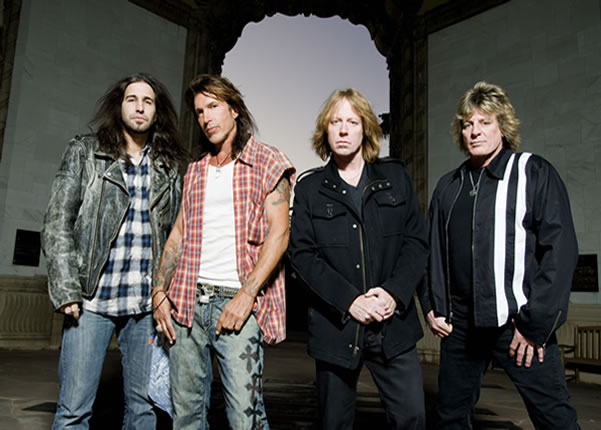
(l to r): Brian Tichy, George Lynch, Jeff Pilson, Mick Brown
gJg: Have you ever considered writing a book about your life and experiences?
GL: I’m not really a big fan of the rock biography. I think they’re more self-indulgent and full of a lot of self-congratulatory stuff. Throwing a bunch of people under the bus and throwing a lot of dirt out there. I’m more consumed with the work at hand and moving on. Affecting change through music. The music actually serves the same purpose as the book. I get to tell stories in the context of the song.
gJg: What other projects are you working on?
GL: Right now, I’m working on a record with the drummer from Korn [Ray Luzier] and the singer from Kings X [Doug Pinnick]. A still-unnamed project, but we’ve started writing and will be working on that through the middle of December.
The other thing that consumes most of my time is my movie project (and band) called Shadow Train. We’re doing a lot of filming, playing and working on a soundtrack/record. The film deals with a lot of political and human nature issues and history. I’m working with a lot of really great people, including Mark McLaughlin (a producer from PBS and The Documentary Channel) and Vincent Nicastro, who made another Native American themed documentary called The Blue-Eyed Indian. There are a lot of guests on it: street poets, political thinkers and speakers. People from the native community including medicine men and shamans. It’s a powerful, nerve hitting film. We’re all driven by passion.
gJg: Is there a tentative release date for the film?
GL: We’re hoping fall 2013, but that might be wishful thinking. Making a film is much more difficult than making a record, which is difficult enough. [laughs]
gJg: This year marks the 25th anniversary of the Dokken hit “Dream Warriors” from Nightmare on Elm Street. How did that song come about?
GL: It’s kind of interesting that you ask me about that because I was actually just over Jeff’s last week doing some T&N photo shoots and interviews for Japan. We were in his studio and he had the original recording machine that we used to track that song. It was an old Akai Beta Recorder; an obsolete machine that’s just a monster. Jeff still has it. It was interesting to see that again because I do remember the process of writing and recording that song and it took me back.
We were commissioned to write the song specifically for the film. Jeff and I were familiar with the first movie and already had an idea of what we were writing. We knew the name of the song and the premise and concept of the movie. We just fed off of that.
It’s a beautiful moment whenever Jeff, Mick and I get together.
Utopia(noun): Any real or imaginary society, place, or state considered to be perfect or ideal.
What or where is your Utopia? For me, Utopia is the name of a store in downtown Easton that I frequented quite a bit as a teenager in the 1980’s. And not just any store mind you, Utopia was THE place to go if you were a connoisseur of music and someone whose parents had absolutely no intention of driving you across town to the Listening Booth store in the mall. Yes, in an age where record album sales and concert tickets were all the rage, Utopia was the closest place to go to get your music fix if you lived on South Side.
For a melodic rock / hair metal enthusiast like me, it truly was utopia. I still remember the hot summer days of youth walking downtown with a group of kids from the neighborhood with money burning a hole in my pocket. We all knew that what awaited us between those musty smelling walls was pure musical heaven. And unlike some of the more “modern” record stores of the day that allowed you to listen to new music before buying, Utopia was a shopping only experience.
You knew you had arrived at Utopia when you were greeted by the wicker furniture that resided in the store front windows. And once you crossed the threshold and into the store, the smell of cheap burning incense would consume you. Utopia showcased many of the newest albums of the day and even had a ticket counter where you could purchase tickets to the latest concerts coming to the area.
Utopia was the place where I purchased all of my concert tickets for shows at Stabler Arena and The Allentown Fairgrounds, including my first ever concert in 1984: The Scorpions and some new band named Bon Jovi. It was also where I purchased my first Dokken, Ozzy, Night Ranger, REO Speedwagon and Stevie Nicks albums.
Perhaps the only thing I didn’t fully understand about the store were these peculiar objects they peddled in addition to albums and chairs made of sticks. They were oddly shaped, glass bottles that resided behind the counter. I found it strange that these vases were in the same location as the “dirty” men’s magazines and something you would embarrassingly have to ask a clerk to get for you.
I never inquired about them, but occasionally thought about getting my Mom one with flowers in it for Mother’s Day. They looked cool; almost like a genie bottle or glass pipe. My brother even had a blue one in his bedroom that he told me never to touch.
Last night I purchased an album on iTunes and it got me to thinking about the old shop again. It’s been years since I’ve visited Utopia. Perhaps its time to pay a visit and see how much has changed in a quarter of a century. Although I’m sure they still sell wicker furniture and cheap incense, I’m fairly certain that new music and concert tickets are no longer being peddled. I guess I’ll find out. And who knows? I might even get up the nerve to finally ask them about the glass pipes behind the counter.
After tracking songs for what was once to become a new Lynch Mob album, it was drummer Brian Tichy who proposed the idea of bringing together George Lynch, Jeff Pilson and Mick Brown (The “Big 3″ of Dokken) for a project similar to what Heaven & Hell was to Black Sabbath. The result is T&N and a brand new album, Slave to the Empire.
The new album is both melodic and thought provoking music with a purpose. The message being, you don’t have to be a slave to the empire. Featuring seven original songs (with Pilson on vocals) as well as five re-recorded Dokken classics with vocal performances by Tim“Ripper” Owens, Doug Pinnick (Kings X), Sebastian Bach, and Robert Mason (Warrant). Slave To The Empire also adds to the mix the hard hitting, multi-talented drumming of Tichy as well.
A second album of new material and classic remakes of Dokken material is slated for next year that will also coincide with a tour.
I spoke with George Lynch to get his thoughts on Slave to The Empire as well as his other passion: the documentary “Shadow Train”.
Guitarist Jim Peterik still has the Eye of The Tiger. Whether it’s performing, songwriting, mentoring and developing new talent or holding his annual World Stage events, the man who penned the #1 anthem from Rocky III continues to deliver the goods.
Peterik’s resume and collaboration reads like a veritable who’s who of the music industry. His bands have included The Ides Of March, Survivor, Pride of Lions and Lifeforce. He’s written and/or produced songs for artists like 38 Special, Sammy Hagar, Jimi Jamison, Lisa McClowry, Mindi Abair, and his son, Sijay among others. His musical journey knows no boundaries; having ventured into melodic rock, jazz, pop, inspirational and country genres.
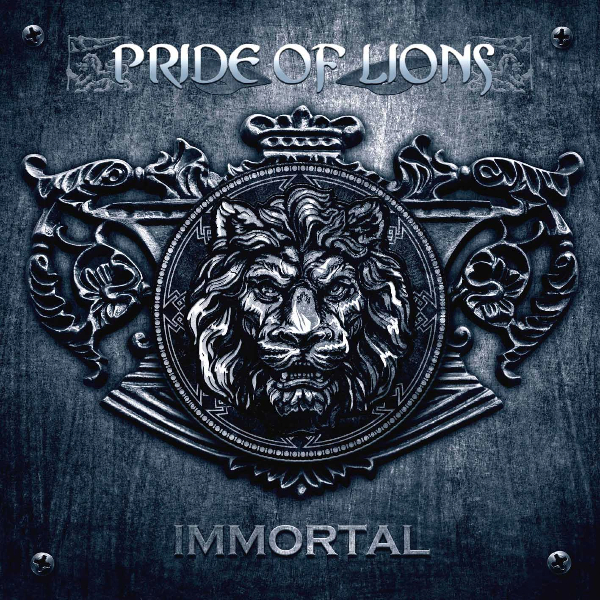
Peterik’s latest endeavor is a reunion with vocalist Toby Hitchcock for the new Pride of Lions album, Immortal. Containing the best elements of 80’s melodic rock combined with Peterik’s signature songs and modern-day production, Immortal is an album sure to satisfy.
I spoke with Peterik and got his thoughts not only on Immortal, but also the iconic song he co-wrote thirty years ago. One that continues to inspire generations of fans all over the world.
What made you decide to do another Pride of Lions album?
I wanted one and Frontiers Records are such great boosters of the whole 80’s crowd. They actually wanted me to make a new record a few years ago, but I wasn’t ready at the time. I had just completed the “Crossroads Moment” album with Jimi Jamison and my juices were just gone for that direction. I got into doing Lifeforce (my smooth jazz project) just as sort of a respite from melodic rock. Their (Frontiers) initial plan was to have me release a record and then they were going to do a Toby (Hitchcock) album. I asked them to do it the other way around and by that time I’d be ready. That’s what happened.
Where do you come up with ideas for your songs?
Everywhere. “Delusional” is a song from the new album that comes from my personal life. I see too many kids these days being over medicated with Ritalin just to calm them down. It does that but it also makes them walk around almost in a zombie like state. I had that hook in my mind: “Let the boy dream. Let him be different. Let him be delusional.” Even Einstein probably would have been diagnosed ADD if he were alive today. Things like that get me going.
Toby Hitchcock’s voice is so pure on Immortal. At times he sounds like Jimi Jamison and at other times, Dennis DeYoung.
It’s a great voice. One of the best out there right now. I think the vocals on Immortal are his best yet. There’s more depth and dimension to his voice.
A lot of people know you from primarily being the keyboardist in Survivor. But the truth is, you’re main love is guitar.
JP: Guitar is my passion. Survivor originally started as a twin lead band. You hear a lot of double leads on the demos for the first album. I love keyboards but my heart’s really in guitar. At last count, I think I own 178 and every one of them has a story. I use them all.
This year marks the 30th Anniversary of “Eye of The Tiger”. What’s the origin of that song?
I came home from shopping one day and heard a message on the answering machine from Sylvester Stallone. At first, I thought it was a joke, but I called the number and sure enough, Stallone answered. He told me that he loved the band and had heard “Poor Man’s Son” and “Take You On A Saturday” from our “Premonition” album and wanted that same kind of “street” sound for his new movie, Rocky III.
He sent us a video montage of the movie and Frankie (Sullivan) and I watched it together. There were scenes of Rocky getting a little “soft” (doing the Visa card commercials) and Mr. T “rising up” with his Mohawk. It was electric. The temp music they used to accompany the montage was “Another One Bites The Dust” by Queen. I remember asking Stallone why he just didn’t use that song for the movie and he said it was because they couldn’t get the publishing rights for it.
At that point I just said, “Thank You, Queen!” [laughs]
I had my Les Paul and a small amp that we had set up in the kitchen. I turned down the sound and just started playing the little intro [mimics the intro], just feeling that pulse. Then I added to it when I saw the punches being thrown, trying to score the chords in time with the punches. We couldn’t get any farther because we didn’t have the whole movie. Fortunately, we were able to get a copy of the finished movie with the promise that we’d send it right back the next day. At that point, we had become totally enamored in the movie and when I heard that phrase: “Hey Rocky, you’re losing the eye of the tiger” I remember turning to Frankie and saying, “Well, there’s the name of our song!” Once we had the title, the challenge became telling the story.
Four days later we gathered the troops, went into the Chicago Recording Company and recorded it. Frankie and I both wanted that big “John Bonham” type of drum sound and I’ll never forget the feeling and the way our drummer, Marc Droubay captured it. As soon as he hit that beat I said, “Oh SHIT – this is going to be HUGE!” And there was the sound of Survivor. It was just magic!
What’s your greatest memory of your days with Survivor?
Some of the more subtle moments are my favorites. When “Eye of the Tiger” was first starting to zoom up the charts, we were out on the road with REO Speedwagon. I remember it was late in the afternoon and I went into a restaurant to get something to eat. While I was there, somebody played Eye Of The Tiger on the jukebox. There was a little girl there with her family. She must have been around four years old or so. When the song started playing, she immediately got up from her family, started spinning around and said, “Mommy! Daddy! That’s MY song! They’re playing MY song! Out of the mouth of babes. You can’t fool them and you can’t hide from them. They either love it or they don’t, and they loved it.
Have you ever thought about writing a biography?
JP: It’s almost done and should be out by April. It’s called, “Through The Eye of The Tiger: A Survivor’s Tale”. I’ve been working on it for the better part of a year. I’m really excited about it.
As a guitarist and music lover, I take great pride in having been around to experience some of music’s finest moments. From the 80′s success of Van-Halen, Randy Rhoads and Alex Lifeson to the rise of Joe Satriani, Kirk Hammett and Joe Bonamassa.
Although I loved being able to bear witness to the great players from my high school years, I lament not being “around” (or in diapers) during the heyday of some of the influential artists from the 60′s and early 70′s, particularly The Beatles, Jimi Hendrix and Led Zeppelin. Fortunately, I have the opportunity to experience what it was like for one such great, as guitarist Steve Hackett revisits songs from the era that made the band Genesis kings of the progressive rock movement.
Steve’s new album, Genesis Revisited II is two-disc compilation containing nearly 2 1/2 hours of monumental music from his tenure with Genesis in the 1970′s. Monumental newly recorded versions of songs like “Horizons”, “Supper’s Ready” and “The Musical Box” sound as fresh and exciting today as they did 40 years ago. No small undertaking, Genesis Revisited II includes no less than 35 guest musicians and took nearly six months to complete.
I spoke with Steve and discussed Genesis Revisited II as well as his plans to take the “new” music out on the road.
Read the rest of my Guitar World article and interview with Steve Hackett Here.
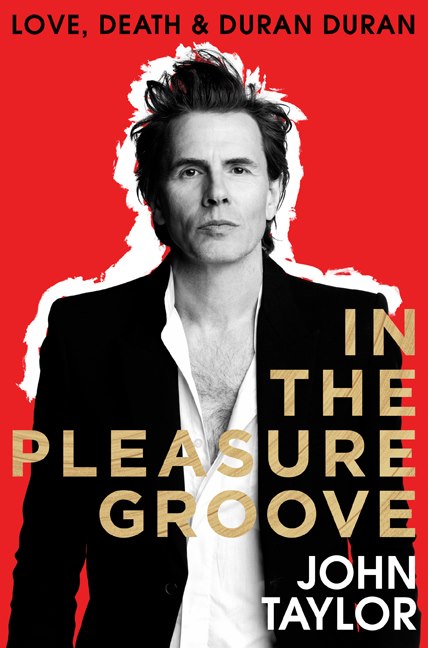
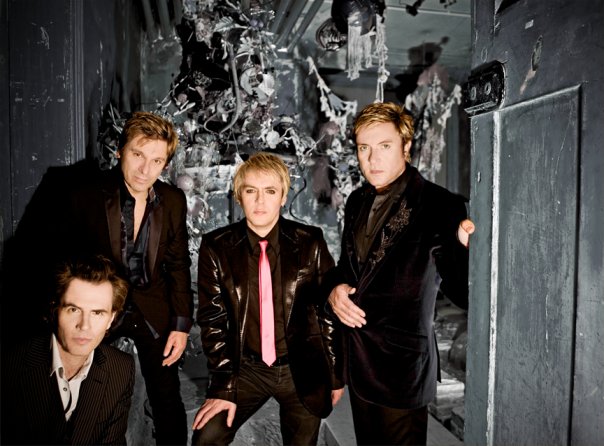
Bassist John Taylor’s autobiography, “In The Pleasure Groove: Love Death and Duran Duran” is an insider’s look into one of the most iconic bands that dominated the charts during the “Second British Invasion” of the 1980’s. To date, Duran Duran has sold more than 100 million records and performed to sold out audiences in countries all over the world.
John’s book goes into great detail about many aspects of his life and career. From his early upbringing to the origin and meteoric rise of Duran Duran as well as its mid 80’s hiatus, when the band split into two hugely successful side projects:The Power Station and Arcadia.
John also pulls no punches in discussing his addictions to sex and drugs. His journey back is a true tale of inspiration.
The chapters are compact and the pages practically turn themselves. Filled with stories and photos from John’s personal collection of memorabilia, “In The Pleasure Groove” is a must-read not only for fans of Duran Duran, but also for connoisseurs of all things 80’s. It’s also a message of hope for those seeking inspiration in the face of their own addictions.
I had the pleasure of speaking with John about his new book and more in this exclusive interview!
What made you decide to write a book at this stage of your career?
I think now is a good time to write a book. I’ve got enough perspective and feel I’m on relatively safe ground emotionally and can go back and dip into those smoking, swirling times and not get caught up in it. I can be objective and speak cleanly about it. Also, there’s still time to come. I don’t feel like the end is near or anything like that. I have huge amounts of memorabilia from the early years of the band and also had a dozen or so really key scenes I thought would make for a perfect book.
I had spoken with someone who had read the book and mentioned how much they loved the scene with Sting where, as a child I went to see The Police perform. You can’t make up stuff like that. What’s written is absolute verbatim; exactly as it happened. It’s the kind of scene that would not have been impactful if I were sitting with Simon (Le Bon) doing an interview on CNN or speaking with you. It would be a total waste for me to try and lay that act out into that kind of an interview. I felt the only way to really give it the full impact was to write it. And it was fun! There were a lot of scenes I had fun writing about.
You mention the influence your Mom had on you quite a bit in this book.
My mom just loved pop music. When I was at a very young age, I really picked up on the way that she related to The Beatles. I also talk in the book about going to church and the Catholic songbook. How incredibly well written those songs were. Ones that appeal to people from the age of 4 to 90. Extraordinarily well put together, especially melodically.
Duran Duran
Have you noticed anything different about the way people try to make it in music today?
I’ve lived in LA almost twenty years and am struck by how many of the musicians I meet tell me how they conceive of becoming successful. They’ll say: “Start by getting a lawyer, then get a deal, write some songs, then put a band together.” Its like, “Yeah but, when are you going to do a gig?” [laughs].
I went to the greatest of schools. I went to The Beatles primary school, the David Bowie secondary school and The Sex Pistols college. By the time I was 18, I already knew how to make a band and a record. It wasn’t arrogance. I really believe that if you want something badly enough and are prepared to really go for it, I see no reason why you won’t have success.
We [Duran Duran] did have extraordinary chemistry but it took time for the band to come together. We had to make some changes along the way and they weren’t always out of choice. Guys left us. Nick (Rhodes) and I were stranded by our first singer, but we didn’t drink over it. We kept moving and made the best of the situation.
My wife is a real worker who taught me the phrase, “Work Begets Work”. Instinctively, I think I always knew that. You always want to make things happen and I think that’s part of wanting to write the book too.I’m not sure where it’s taking me, but it feels good and I’m glad that I wrote it.
Do you have any regrets?
I don’t honestly believe in regrets. If you’re happy with yourself right here, right now and can feel good about your relationships, then I can also feel good about everything that’s happened to get me here.
Is there a message you’d like people to take from reading In The Pleasure Groove?
The recovery aspect is important. I was exposed to such a powerful, profound method of recovery. I was very fortunate. I was brought back from the dead. It was a few years ago but I wanted to communicate that because there are a lot of people struggling with addiction. I wanted to find a way to put that out there in plain man’s language to let people know that there is hope out there.
One hundred million records, 14 Top 10 singles on the UK Singles Chart and 21 hits in Billboard‘s Hot 100.
They’ve traveled the world and back many times over and even scored a No. 1 hit for James Bond. Now bassist John Taylor is opening up the vault on Love, Death and Duran Duran.
Please read and share the rest of my Guitar World article and interview with John Taylor here:
Broken Bones is the eleventh studio album from the band Dokken and one that features a refreshing return to the signature sound reminiscent of such albums as “Under Lock and Key” and “Back For The Attack”. With songs like “Empire”, the title-track and “Burning Tears”, Don Dokken’s vocals are stronger than ever and guitarist Jon Levin, now entering his second decade with the band, continues to unleash guitar fury solidifying his place as one of the true metal greats.
I spoke with Jon about the different approaches he used for recording guitars on “Broken Bones” as well as his long-standing relationship with Charvel. He also shares the story of why he decided to become an attorney and how he landed the role of a lifetime with Dokken.
Read more of my Guitar World article and interview with Jon Levin here.
If there’s one thing I’ve learned about from being a songwriter it’s this:
Inspiration can be found almost anywhere.
But sometimes though, we as writers tend to get complacent or hit road blocks. Situations where we just can’t seem to find anything to write about or get tired of using the same, dull songwriting formula we’ve grown accustomed to. It’s times like these when the search for inspiration can become almost fruitless.
So what are some of the things you can do to break out of your “comfort zone” and find that inspiration? I’m glad you asked. Using my love of 80’s music (and metal, of course) along with several of my past interviews, I’ve compiled a list of four things to help inspire that creative spark.
So the next time you’re about to hit the wall with songwriting, pick up your guitar (or whatever other instrument you have lying around) and give one of these a try:
Eye Of The Tiger (1982)
1. Watch a movie, read a book or attend a sporting event for inspiration.
Stuck in a rut? Try one of the above mentioned suggestions for instant inspiration. Visual stimulation can sometimes work wonders for a songwriter. You never know when a scene in a movie, a passage from a book or a touchdown toss might awaken something inside you.
Back in 1982, songwriters Frankie Sullivan and Jim Peterik of the band Survivor were given a rough cut of a movie to watch as inspiration for a song. After watching a few minutes of the raw footage, the duo became inspired to write a song that would not only would go to #1, but would also earn them a Grammy award in the process. The movie was Rocky III and the song? “Eye of The Tiger.”
Frankie Sullivan: “You know, that song was the easiest of them all. I think Jim [Peterik] and I wrote the music for it in about half an hour and it took us three days to write the lyrics, only because we couldn’t come up with the punch line. But we kind of had the whole thing down in half an hour.”
John Parr – Man in Motion (1985)
2. Give yourself a deadline.
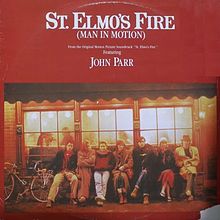
There are times when a deadline can actually be your own best friend. Try giving yourself a time frame to write a song from start to finish and see what happens. You’d be surprised what you might come up with when the pressure is on. Take John Parr’s #1 hit from 1985: St. Elmo’s Fire (Man In Motion):
John Parr: “David Foster and I were working on songs for the soundtrack and were given a day to write it and a day to record it. David wasn’t feeling in the mood to write at the time, but I persuaded him and over the course of an hour we wrote three songs; one of them being “St. Elmo’s Fire.”
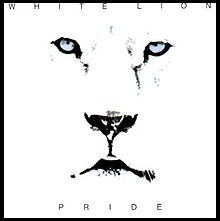
White Lion – Pride (1987)
3. It’s OK to be cliché’.
A lot of music publishers will tell you that when it comes to songwriting, never, EVER write cliché’ lyrics (unless of course you’re Taylor Swift, Katy Perry or any new Bon Jovi song).
But despite the need to avoid the simple and mundane, there’s something to be said for just playing your guitar and writing down whatever comes to mind while you’re in the moment. The worst that could happen is that what you write never goes anywhere beyond the written page. But sometimes, it can lead to things you never would have expected. As was the case with Mike Tramp of White Lion when he co-wrote the band’s hugely popular song, “Wait”.
Mike Tramp: “There’s almost no origin to that song. The story goes, Vito [Bratta, guitarist] started playing the riff and the very first word out of my mouth once I heard it was “Wait.” It’s one of the simplest lyrics I’ve ever written, but it’s also the perfect American FM song.
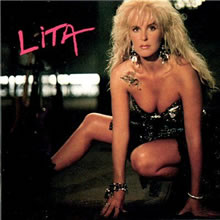
Lita Ford – Close My Eyes Forever (1988)
4. Let Life Happen.
Sometimes we just need to put down our guitars for a little bit and let life happen. Conversation and recreational activities can play an important role in subconsciously finding inspiration. Good things can happen when you least expect it.
When Lita Ford was finishing up her hugely successful album “Lita” in 1987, she had also just finished moving into a new home. One night, she received a visit from Ozzy and Sharon Osbourne who brought her a house-warming present. After opening a bottle of wine and playing a few games of billiards, Lita and Ozzy went into a side room where a guitar and amp had been set up.
Lita Ford: “We just started playing and singing and wound up writing “Close My Eyes Forever”. The song was kind of an accident really.”
You’ll notice that in each of the song examples I’ve mentioned, there was more than one songwriter involved in the process. If you don’t already have a writing partner, consider getting one. Two heads are always better than one as Lennon/McCartney or Elton John/Bernie Taupin would tell you.
Remember, inspiration is everywhere. So give yourself deadlines, be cliché’, experience new things and compose riffs and lyrics you know no one else will ever hear. Life is the open road. So get on it and see where it goes.
 Fans of contemporary jazz, r&b, hip hop and alternative rock have reason to celebrate. On February 26, Concord Jazz will release Cover Art, a new recording by NEXT Collective; an ensemble recording by the next generation of jazz greats that features saxophonists Logan Richardson and Walter Smith III, guitarist Matthew Stevens, keyboardists Gerald Clayton and Kris Bowers, bassist Ben Williams, drummer Jamire Williams, and special guest trumpeter, Christian Scott.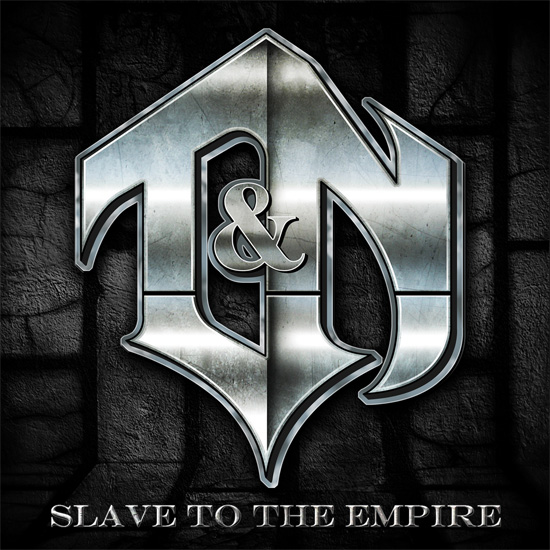




 If there’s one thing I’ve learned about from being a songwriter it’s this:
 go.Jimmy.go