Tag: Music

Wild Heart: Saxophonist Mindi Abair Discusses Dynamic New Album

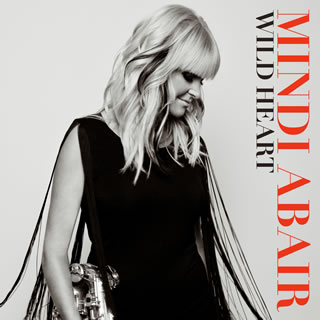
MindiAbair-WildHeartSaxophonist Mindi Abair is one of the most creative artists in music today. Already known for her acclaimed jazz prowess, Abair has been the featured sax player on American Idol for two seasons, toured with the likes of Duran Duran and Aerosmith and even did a stint with the Boss himself, Bruce Springsteen. But on May 27th, Abair takes reckless abandon to a whole new level with her new album, Wild Heart.

For this project, Abair brings along some musical heavy weights that include Joe Perry (Aerosmith), Jim Peterik (Ides of March/Survivor), Waddy Wachtel, Max Weinberg and even an emotional duet with the legendary Gregg Allman. By capturing the raw emotion, power and synergy Abair delivers an album unlike any she’s ever done. Wild Heart is definitely not your father’s jazz record, nor one that you sit down with over a glass of wine. Rather, it’s an album to rock out to and savor.

As an added treat, Abair has partnered with Pledge Music to give fans the opportunity to interactively experience Wild Heart. The campaign offers exclusive packages ranging from dinner with Abair and her band to shout-outs at concerts, signed CDs and much more.

I had the pleasure of speaking with Abair about her amazing new album and more in this exclusive interview.

What inspired the Wild Heart project?

Over the last few years, I found myself moonlighting; doing a lot of rock and roll, blues and organic music. I remember touring with Aerosmith and seeing the sheer abandon they brought to the stage night after night. Then I went on the road with Max Weinberg and played with [Bruce] Springsteen for a night. I was inspired and didn’t want it to just be something that I experienced. I wanted to bring some of that energy into my own project. This record really captures the mojo I had been playing with for so long, and it was so much fun bringing in people I love and respect to help me create this sound.

Let’s discuss a few of the songs from the album:

I Can’t Lose:

You can’t just write songs about the bad experiences in your life. Sometimes, you’ve got to write about being on a winning streak. That song came about because I changed a few things in my life and things started happening. I started doing American Idol, then Steven Tyler came to me and asked me to go on tour with Aerosmith. They were always a huge influence on me. I was in this life event phase where things were just going my way and I felt like writing a song about it. Whatever it is, right now I can’t lose.

Mindi Abair (Photo: Greg Allen)

Amazing Game / Train.  What’s it like to write a song with Jim Peterik?

I first met Jim on a jazz cruise when he was there to promote his Lifeforce CD. We became great friends and have written a lot of songs together. I love writing with him. Words and melodies just flow out of him. He lives, breathes and cares so much about every note, word and chord. With “Train” we wanted to write something that had energy and really conveyed that change of life attitude. You know you want to change, yet you’re stuck in that rut. But there’s a train coming, and you’re going to jump on and leave it all behind. I always tell Jim that he brings the “eye of the tiger” to his writing, and the two songs we wrote for this album (Amazing Game and Train) both have the eye of the tiger in them. That’s the force of nature that Jim Peterik is.


Kick Ass (with Joe Perry of Aerosmith)

I wrote the song with Matthew Hager who produced my first four cds. I always thought it was a great song but I wanted more power from it. Then I remember sitting in the studio one day and suddenly pictured Joe Perry with his shirt half-ripped open, walking down the runway with his guitar in front of 50,000 people and killing it on guitar. Then I said, “Wait! I KNOW Joe Perry! This could actually happen!” [laughs]. So I made a phone call and we were literally in the studio within a week. He brings so much power and testosterone to a track. It was amazing to sit there and play off him. He pushes you to better yourself and that’s exactly what he did on that track.

The Shakedown (with Waddy Wachtel)

I first started playing with Waddy back in 1995 when he was the music director for Adam Sandler’s band. Whenever I’m on stage with him, that whole atmosphere is my zen. When he said that he wanted to be a part of this project it made me so happy. So we went into his studio and wrote that song. Another cool thing about the song is that my dad actually plays B3 on the track as well.

How did Max Weinberg get involved on the track?

I toured with Max shortly after Clarence [Clemons] died. He needed a sax player and I went in and the two of us hit it off and ended up going out on the road for a few weeks. We became really good friends and I asked him to be a part of the project. Working things out with our tour schedules was tough, but we planned it out for when we were both in New York doing separate gigs. I booked a studio, we each came in before our sound checks and made it happen.

Just Say When (with Gregg Allman)

“Just Say When” is not even a song. It’s Gregg. When he plays he always reaches out and touches the depths of your soul. I spent three days at his house and we wrote that song together. It was crazy to be there with him and live his existence for a few days and just be creative. It was a master class in musicality. It’s real and very representative of both of us.

What made you decide to do a Pledge Music campaign for the album?

I really love what I saw people doing with it. You’re capable of giving so much more than just a CD and letting fans become more involved in the project. I’ve got really incredible fans, so offering up a few things is a way for me to be closer to them and also gives a window into the soul of this record.

What first attracted you to the saxophone? 

My dad played sax and I grew up on the road with his band. He always looked like he was having a good time whenever he played. In school band, I remember they had put some instruments out on the floor and said “choose”. So I thought back to him and chose the sax. It was also a point in music history when there were a lot of great players in pop music: Maceo Parker, Clarence Clemons, David Sanborn and others. Sax was a viable instrument even going back to the inception of rock and roll. There was a time when you couldn’t have a band without a guitar and a sax. With this album, I wanted to make a saxophone record that hearkens back to a time when sax was the coolest instrument on the planet.

Over the course of your career has there been one moment that stands out to you as most memorable?

It’s been an awesome journey. Getting to play with Bruce [Springsteen] was pretty amazing. Going out on tour with Aerosmith was another huge highlight. To get to play and sing with them every night was a dream come true. But the real high for me is every night on stage with my band. I never take for granted the fact that I get to go out there and play music that I wrote and share it with people. To have this beautiful conversation from the stage is really special.

Mindi Abair Official Website: http://www.mindiabair.com/
For more on Mindi PledgeMusic Campaign Click Here

Guitarist Dave Meniketti Discusses Y&T’s 40th Anniversary

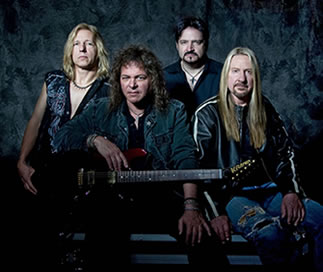
Y&T (Photo: Jill Meniketti)

You’d think a band that’s been around for 40 years might just be going through the motions at this point.

But for Dave Meniketti and Y&T, that’s hardly the case.

The band’s current lineup — Dave Meniketti (guitar/vocals), John Nymann (guitar), Brad Lang (bass) and Mike Vanderhule (drums) — continues to bring its own unique blend of hard rock to legions of fans around the world.

Since finalizing their first lineup in 1974, Y&T have performed more than 3,000 shows, released 18 albums and three greatest-hits packages — and they’ve sold more than 4 million units. Many of the biggest acts to come out of the Eighties became popular by opening for Y&T, including Metallica and Mötley Crüe.

Add years near-continuous touring and songs like “Mean Streak” and “Summertime Girls,” and it’s no wonder fans say that Y&T sound better than ever.

With another steady year of touring ahead and talk of more new music, Meniketti and company show no signs of slowing down in 2014. I recently spoke with him about his playing, the band’s anniversary and a few surprises they have in store to celebrate the occasion.

GUITAR WORLD: What are your thoughts when you think about Y&T’s 40th anniversary?

It’s an odd feeling when you say it or stick it on a piece of paper. Throughout our career, we never looked past a year in advance wondering what we were going to do. So it’s a little weird thinking I’ve had this gig for 40 years. But it still feels great to be in this band and play songs for crowds who are always so cool to us. Why would I ever want to stop doing that?

gw_logo
Read the rest of my Guitar World Interview with Dave Meniketti
By Clicking Here!

I Am the Fire: Gus G Discusses Debut Solo Album and Working with Ozzy Osbourne

Gus GGuitarist Gus G has spent the better part of the last decade solidifying his place as one of metal’s reigning guitar virtuosos.

He’s recorded more than a dozen studio albums and performed around the world as a member of Arch Enemy, Dream Evil and Firewind. And let’s not forget he was handpicked by Ozzy Osbourne in 2009 to become his new guitarist.

But Gus G’s debut solo album, I Am The Fire, which will be released March 18, is a new adventure. The album, which was mixed by Jay Ruston (Anthrax, Stone Sour, Steel Panther), gives Gus the opportunity to explore a different side of his creativity and showcases his skills as a producer and songwriter.

Apart from a few signature Gus G instrumentals (“Vengeance” and “Terrified”), I Am the Fire veers away from the traditional heavy/power metal vibe and leans more toward a straight-ahead classic rock sound. The album also features a multitude of guests, including vocalists Mats Levén and Jeff Scott Soto and bassists Billy Sheehan and David Ellefson.

I recently spoke with Gus G about I Am the Fire, his playing and how he got the gig with Ozzy.

GUITAR WORLD: How did the I Am the Fire project begin?

I had some time off with Ozzy because he was busy with the Black Sabbath reunion and started coming up with ideas that didn’t really seem like a Firewind record.

They were more on the hard rock side of things rather than metal. One singer I’ve always wanted to write with was Mats Levén, who sang on the Yngwie Malmsteen album Facing the Animal. We’ve known each other for about 10 years and had always talked about doing something together. So I sent him a few demos, and that’s what got things started.

gw_logoRead the rest of my Guitar World Interview with Gus G by Clicking Here!

Chameleon: Fourplay Drummer Harvey Mason Discusses His New Album

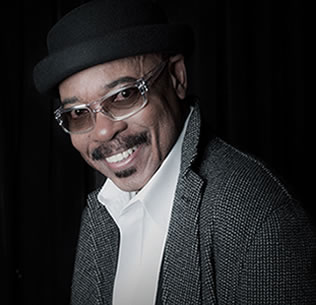
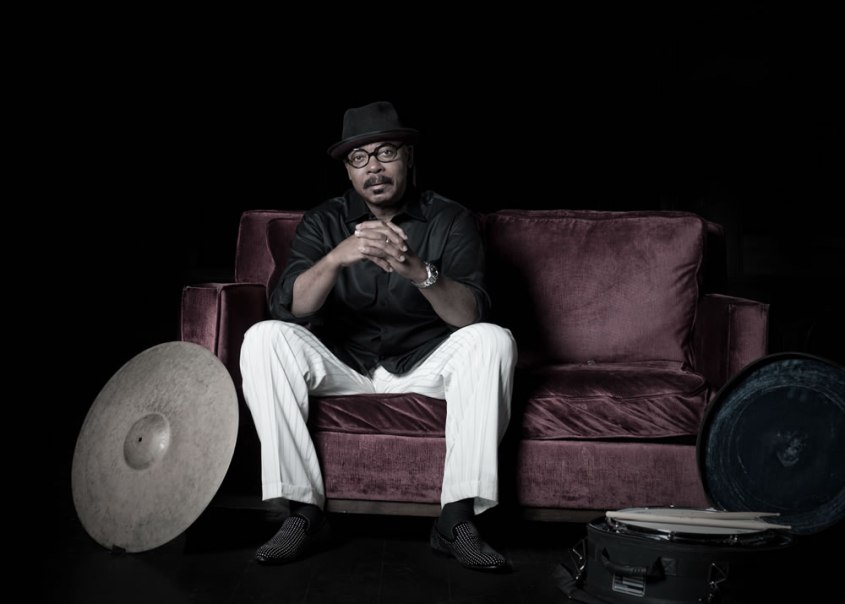
HMChameleonChameleon is the Concord Records debut album from legendary session drummer Harvey Mason and draws upon the rich jazz-funk heritage of the 1970s.
Co-produced by Chris Dunn, Chameleon (Releasing April 29th) showcases some of the most talented young musicians in jazz today: trumpeter Christian Scott, bassist Ben Williams, pianist/keyboardist Kris Bowers and guitarist Matthew Stevens.

Bringing even more firepower are trombonist/vocalist Corey “CK” King, saxophonist Kamasi Washington, vocalist Chris Turner, and keyboardist Mark de Clive-Lowe.

Chameleon features seven of the era’s most enduring classics infused with modern day shine, including an imaginative new arrangement of Mason’s signature song and title track. For this new version of ‘Chameleon,’ Mason invited Bill Summers to reprise his famous hinedewho intro to ‘Watermelon Man,’ a song from Herbie Hancock’s Head Hunters LP which Mason played on and arranged.”

Fans concerned about Chameleon sounding retro will take comfort in knowing that Mason has delivered an album that interjects fresh new elements on each subsequent listen.

In addition to being one of the most in-demand studio musicians of all-time, Mason still regularly records and performs as a member of the super-group Fourplay along with Bob James, Nathan East and Chuck Loeb. I spoke to him about Chameleon, his time working with Herbie Hancock and more.

How did the idea for Chameleon begin?

I first came up with the idea of creating Chameleon while I was playing solo in Japan with different configurations. Most of the people there have seen me never play with Herbie [Hancock] during that era and would often tell me that I needed to record the band and this music. My thought was that if I did it, I wanted to change the music and not play the same thing that I played back then. Chris Dunn was the one who suggested we re-record many of the songs, but use younger guys. So we chose a bunch of people, gave them songs to arrange, went into the studio and this is what we came out with. I’m very happy with it!

Harvey Mason (Photo: Devin DeHaven)

How is a project like this different from one done with Fourplay?

With Fourplay, the four of us have known each other for a very long time. We all write for the project and bring our own songs in and each guy produces his own song. It’s a democratic band and we all play live in the studio. With this project, I had never played with many of the guys before, so I wasn’t quite sure what to expect. But it was a magical moment. You’re just experimenting to see what happens and reacting to it.


Let’s discuss a few tracks from the album: If I Ever Lose This Heaven

Originally I didn’t plan on having any vocals, but Chris suggested the song. We asked Chris Turner to come in and sing it and I asked my son to produce the vocals. They came out with a song that I feel is worthy of being played on almost any radio station and Chris sang it incredibly well.

Chameleon

We gave the song to Ben Wendell (Kneebody) who came up with a great blueprint for it. Then I added Bill Summers and his patented whistles. The arrangement really sounds fresh and goes through a lot of different colors and changes.

What was it like working with Herbie Hancock on the original version?

I’ve loved Herbie from the time I was a kid when he was working with Miles (Davis). To get to be in the studio with him during that era to create and write was amazing. Whenever we play together its magical. We have a special chemistry together.

Was there a meaning behind the track Studio Life (Hold It One Second)?

I had played a drum solo that didn’t make it on a song. It was just a little snippet, but Chris thought that we could put something else with it. So we pieced it all together. It really gives people an interesting view of the recording process and what goes on in the studio.

Did you always know that you wanted to be a musician?

It was innate. Growing up, I always had this thing where I wanted to be a drummer. Even from the time I was crawling around, I was always banging on the floor with spoons and hitting pots and pans. Then in school, I had an opportunity to play drums in the orchestra. I remember my teacher there was also a violinist in the Philadelphia Orchestra and he really pushed me to be the best I could be.

What led you to become a studio musician?

Originally, I had thought about becoming a lawyer. While it was fun to play music, I wanted something that might be a little more stable. I had given thought about going to law school but then read an article about Larry Bunker and studio musicians and said “That’s what I want to do!” Right at that point I decided to switch gear. I applied to a couple of music schools, got accepted and the rest is history! I eventually went to LA and started making my way in the studio. I just kept playing without any intention of going out on the road. That’s why my discography is so large.

Harvey Mason (Photo: Devin DeHaven)

What’s the origin of Fourplay?

Bob James and I were friends for many years. He was coming to LA to record and asked me to help him put together a couple of bands for the project. So I put together two bands for him and one of them had Nathan (East) and Lee (Rittenour). It was the band that Bob decided to use for the entire CD. I remember it sounded so good while we were in the studio that Bob asked us if we would consider being in a band and each one of us said yes. At the time, Bob was working at Warner Brothers and went to Mo Ostin (president) to ask him if he’d support us. He immediately said yes and the next thing you know we’re in the studio and are off and running!

In your view, what makes jazz such a great form of music?

The fact that you’re able to create and play what’s in your heart and soul. You’re able to interact with other players and have the freedom of being able to spontaneously create with no preconceived ideas. It’s pure creativity and improvisation. The only thing you’re restricted by is your own mind.

For more on Harvey Mason check out his Official Website by Clicking Here!

Another Long Night Out: Brian Culbertson Goes Back To His Roots For New Album

AnotherLongNightOutIt’s hard to believe that’s its been twenty years since multi-instrumentalist hitmaker Brian Culbertson released his debut album, “Long Night Out”. An album he created on a shoe-string budget while a student at DePaul University.
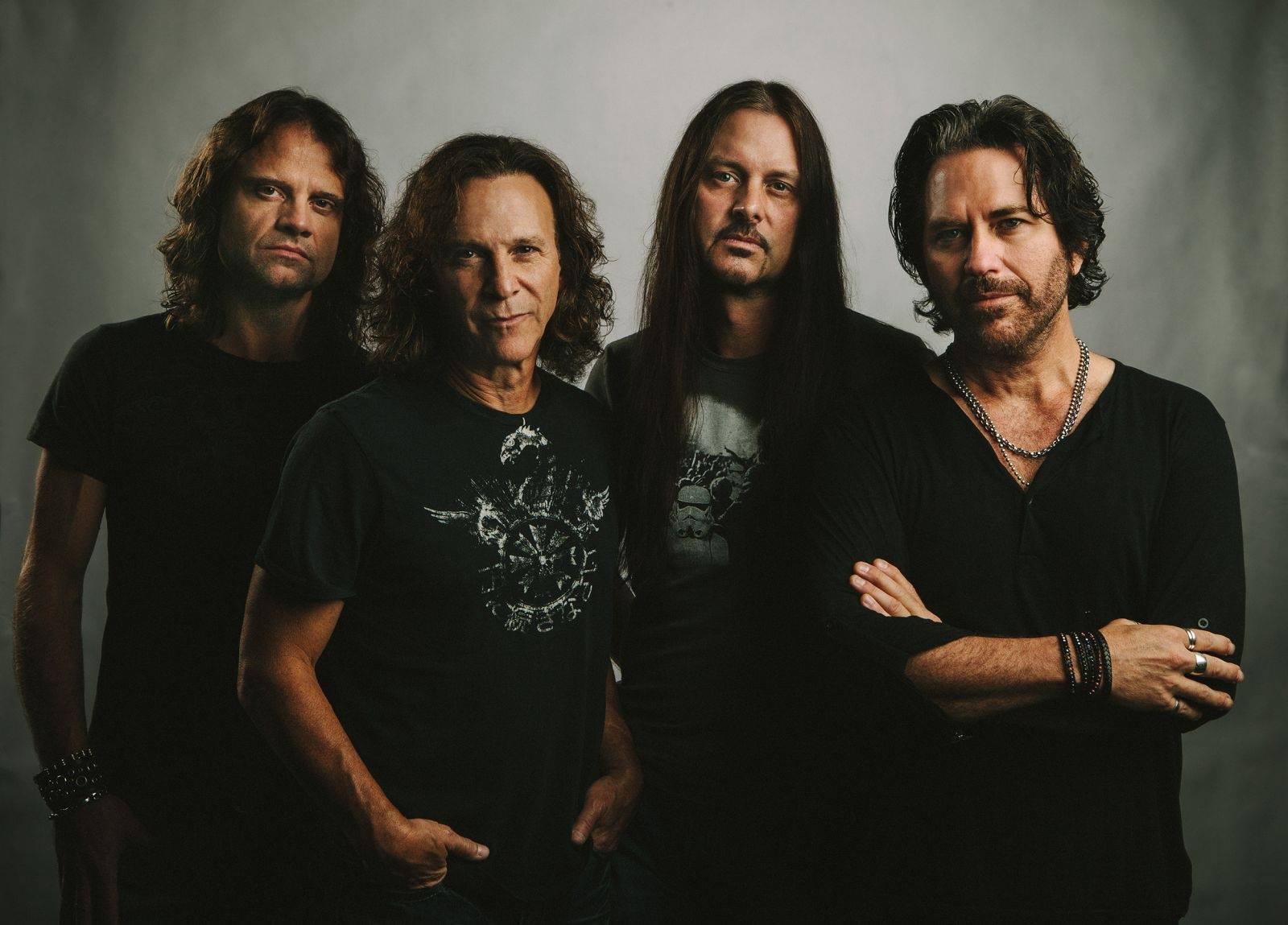
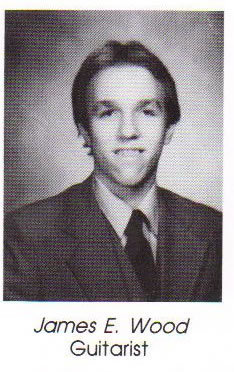
In the years since, Culbertson has become one of the most recognized artists in jazz, but always kept thinking about those early days recording in his Chicago apartment. Patiently waiting for the right time to explore the material again.

On “Another Long Night Out” Culbertson returns to his roots by revisiting the album that jump started his career. For this fresh update, Culbertson re-imagines his debut by enlisting the help from some of the greatest artists in contemporary jazz. Retaining the essence of each song while bringing the production quality to 21st century standards.

On its own, “Another Long Night Out” stands out as a time capsule of sonic goodness. Proving that a project twenty years in the making was certainly worth the wait.

I had the pleasure of speaking with Culbertson about “Another Long Night Out” and what he believes makes jazz so special.

Looking back at that first album twenty years later, what thoughts come to mind?

It’s hard to believe that its been twenty years. It seems like the older you get the faster it goes. But as the years go by, you start to find out who you are and I finally feel like I’ve hit a good stride with what life is all about for me. I’m in a good place balancing life with music.

What made you decide to revisit “Long Night Out”?

On the first album I was really limited with equipment, funds and the people I knew. Although I always liked how the songs stood on their own, I always wished the sonic palette and sound of the album could be what it is now. My goal was to redo the production of the album and bring it to life.

You have a lot of guest guitarists on the new album including Lee Rittenour, Chuck Loeb and Steve Lukather. Was there a reason you chose them?

When you get into that top echelon of guitar god, everyone does what they do best. I knew in essence what each one would bring to the song and that’s why I called them about those particular pieces. In the case of Lukather [Beautiful Liar], I knew he would just destroy it [laughs]! He came over and we literally played the song three or four times and every time it just kept getting better and better!

Saxophonist Candy Dulfer also appears on the album. What’s it like working with her?

She has such an amazing attitude and was so excited to be a part of the project. She really wants to get things perfect and I love her for that because I’m the same way. Those sessions were a lot of work, but a lot of fun.

Were there any special moments that stood out during the recording process?

I had Will Kennedy from the Yellow Jackets come in and play drums on one of the first sessions that we did. Will was a huge influence on my drum programming on the first album. To have him playing the grooves I was trying to emulate twenty years ago was a trip.

What’s the origin of the original “Long Night Out” album?

I started songwriting in junior high school and was one of the first generation of kids to grow up with the early four-track recorders and the beginnings of the Macintosh. I always knew that I wanted to get into music production and songwriting but never set out to be an artist per se. But once I moved to Chicago and started listening to the jazz station there I started thinking that it might be something I could do. So I put together a three song demo and sent it to the one person I knew who lived in LA. My friend played it for the president of his record label and a few weeks later called me up and offered me a record contract. It was crazy!

What happened from there?

The label wanted to put the album out in February, and by that time it was already August. They wanted it completed by November, so the next three months were pretty intense. I remember that right before I came to LA for the mastering we were still pulling all nighters mixing it. It was crazy. That’s why I decided to call it “Long Night Out”.

Do you have plans for another new album?

In terms of writing, the plan is to start working on some new material this summer. And I will let this out of the bag slightly. I’m going to be working in Minneapolis. It’s going to be funky [laughs].

Brian Culbertson
Brian Culbertson

What’s your songwriting process like?

I write in a few different ways. Sometimes I’ll just sit down at the piano or keyboard and start improvising. I’ll record the melodies and then go back and listen to see if anything really stands out. “City Lights” was one of those songs where I just literally sat down and started playing that melody. Other times though, I’ll get a groove going with a drum beat and then start layering parts on top of the beat. On those songs, the last thing I do is write the melody. I love fitting the melody into the track and making it groove as much as the beat and the bass.

How do you come up with a song title?

It’s actually pretty difficult to name instrumental music. Usually, it’s based on how the song makes you feel. On that first record, I remember half of the songs were still untitled when we were mastering it. I even had the art department calling and telling me to hurry because they had to go to print [laughs]. So I started brainstorming with a few friends about what to name them. In the case of “Beautiful Liar”, that was a song I had already written my senior year of high school. I was taking private composition lessons and had to write a pop song based on lyrics my instructor had given me called ‘Beautiful Liar’. I originally wrote it as a vocal tune based on those lyrics. When the time came to record the album, I just played it on the piano and kept the title. So there are words to the song that no one has ever heard [laughs].

What makes jazz so great?

The fact that there are no rules and you can do whatever you want. There’s so much freedom that it allows you to keep moving forward to morph and change. The live aspect of it is great too. Typical pop shows are so structured that they’re exactly the same every night. With jazz, it can be completely different from night to night. That’s what I love about it.

For more on Brian Culbertson check out his official website by Clicking Here!

Better Days Comin’: Reb Beach Talks Guitars, New Winger Album and More

After forming in the late Eighties, Winger soared to success with their self-titled debut, a platinum-selling disc that included the hit songs “Madalaine,” “Seventeen” and “Headed for a Heartbreak.”
Winger (l to r): John Roth, Rod Morgenstein, Reb Beach, Kip Winger

Winger (l to r): John Roth, Rod Morgenstein, Reb Beach, Kip Winger

Their followup album, 1990’s In The Heart of the Young, maintained the momentum with the successful singles “Can’t Get Enuff” and “Miles Away.”

But the advent of grunge and changes in the musical climate, coupled with being the target of two notorious cartoon characters (Beavis and Butthead) eventually led the band to go on hiatus.

In 2001, however, Winger reunited, and they haven’t looked back since. They repeatedly win back fans and critics through their relentless touring, strong musicianship and inspired songwriting.

Winger’s new album, Better Days Comin’, which will be released April 22, is another testament to the band’s legacy and perseverance. Guitarist Reb Beach — who also plays with Whitesnake — and vocalist/bassist Kip Winger have put together a collection of songs that combine tasty riffs, infectious grooves and unique arrangements. The band is rounded out by John Roth (guitar) and Rod Morgenstein (drums).

Better Days Comin’ is available for pre-order now (See the link below), with a deluxe edition that includes a bonus track and a DVD that features a “making of” documentary and videos for the album’s first single, “Rat Race,” and the title track.

I recently spoke with Beach about the new Winger album and his early years and session work. He also gave me an update on his next solo album.

gw_logo

Read the rest of my Guitar World Interview with
Reb Beach by Clicking Here!

I Wanna Go Back

Me“I wanna go back and do it all over, but I can’t go back I know.”

“I Wanna Go Back” was a song written thirty years ago by Danny Chauncey, Monty Byrom and Ira Walker for their band, Billy Satellite. It was the band’s debut single and peaked at #78 on the Billboard Hot 100 chart.

But it wasn’t until two years later when Eddie Money covered the song on his 1986 platinum album “Can’t Hold Back” that a then seventeen-year old boy man finally stood up and took notice. For me, the song resonated about innocence lost and the longing for the impossible: a return to a much simpler, less complicated time.

Of course in 1986, I had no experience in such matters and absolutely no desire to return to anywhere. Every day for me was new and exciting.

Here’s what a typical week for me was like in 1986:

It was the summer when I got my first real car. A 1973 Toyota Corona. A laughable clunker when I think about it now, but it was my Rolls Royce then.

Weekly guitar lesson: Shredding on everything from AC/DC to Zeppelin.

Dreams of being a rock star: Heck, it even says so on my yearbook picture!

High School: Which started out every morning with Concert Choir and also included Music Theory and Art in addition to the mandatory English and Math.

“I recall hanging out on Friday night”

Friday always…ALWAYS meant going to the mall and perusing through the latest album releases at the record store. I’ll admit, I was also one of those habitual bachelors who passed by the Orange Julius in hopes of seeing a gaggle of cute girls. Then using the last fifty cents of my lawn mowing money trying to obtain the high score on Centipede in the arcade and if I was lucky, one of those “out of reach” girls would be playing a game right next to me. {SIGH}

“Back then I thought that things were never gonna change”

So, thirty years after Billy Satellite originally released it, what was it that made me think of the song this morning? I suppose it was the culmination of everything that’s been going on in the world in recent days.

Here are just a few examples. Take your pick:

1. Terrorist attacks throughout the world.

2. Elected representatives voting their party rather than the people they’re supposed to represent without fear of repercussion.

3. The media’s never-ending quest to fear monger the weather and make the slightest storm out to be doomsday.

5. Neglected and abused animals, women, children and veterans.

But despite what your local newspaper, talk radio or favorite extreme Facebook group might say, the real problem with this world isn’t the fault of one particular country, political party or extended forecast.

Rather, the real problem is we, the people. We’re the ones who are to blame for the mess that we’re in. And nothing showcases this example better than The Walking Dead. Yes, that’s right. The zombie show.

In a post-apocalyptic world where it’s just humans and undead walking around, the humans can not seem to overcome their own desire for power and greed in order to survive. Instead of pulling together for a common purpose (like finding out what caused the apocalypse or better still, how to cure it), they’d rather build loyalties and fight skirmishes with both humans and zombies in order to pillage whatever they can and gain an advantage. The undead themselves are actually just pawns in their cruel game. Is it too far-fetched to believe that if this happened it real life, that’s the way we would react?

The answer to fixing our problems is so simple, so why can’t we do it? It all starts (and ends) with US.

People often wonder why I still have a fascination with 80’s music, Godzilla and breakfast cereal and I could ramble off a dozen examples of why I think it’s cool or how delicious a bowl of Lucky Charms is.

But perhaps the most accurate reason is because these things reminds me of a much simpler time. A time when I didn’t have to care.

At least, not as much as I do now.

Sure, I know now that things will never be the same but…..I wanna go back.

Original MTV VJs Alan Hunter and Nina Blackwood Talk New Book, Van Halen, Ozzy and the Eighties

VJCoverIt was 12:01 a.m. August 1, 1981.

The music business was in the toilet when a fledgling channel named MTV hit the airwaves to start the engine again.

Throughout the decade, MTV became one of the biggest things on the planet and revolutionized the music industry with a new medium — music videos.

Viewers would regularly host their own MTV parties, tune in for Friday Night video fights and experience unprecedented musical events such as Live Aid. The MTV phenomenon was so big that Dire Straits guitarist Mark Knopfler referenced the channel, incorporating its “I want my MTV” slogan in the band’s massive 1985 hit, “Money For Nothing.”

Four of the original MTV VJ’s — Alan Hunter, Nina Blackwood, Martha Quinn and Mark Goodman — have written a book about their experiences, VJ: The Unplugged Adventures of MTV’s First Wave.

The book, which is co-written by Gavin Edwards, is a narrative-driven oral history of MTV, complete with behind-the-scenes tales and anecdotes as told through the VJs’ own voices (NOTE: JJ Jackson, the fifth original VJ, died in 2004).

From stories on how each VJ landed their job, the channel’s historic launch, the changing dynamic and their eventual departure, the book details the triumphs, pitfalls and everything in between. Today, in addition to acting and producing their own syndicated radio shows and films, the four original VJs can regularly be found on Sirius’ ’80s on 8.

I recently spoke to Hunter and Blackwood about the book and their days at MTV. They also discussed their favorite guitarists and other projects they’re working on.

gw_logoYou can read the rest of my Guitar World Interview with
Alan Hunter & Nina Blackwood By Clicking Here

Sealed With a KISS

DressedToKillAs an early member of the KISS Army, all I can say is that I did my duty. So don’t blame me.
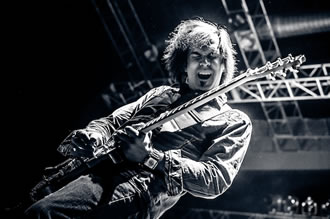
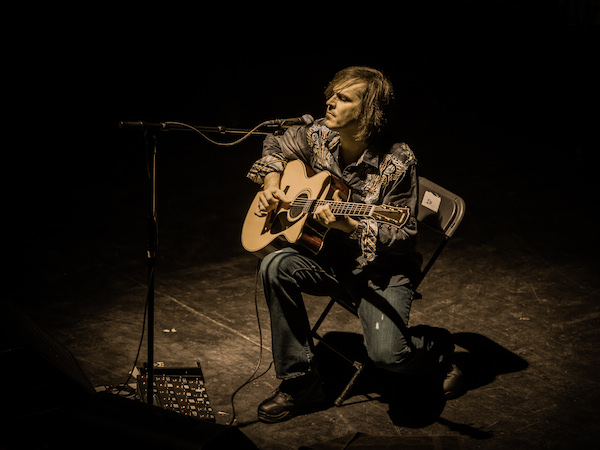
Ever since the Rock and Roll Hall of Fame opened its doors in the mid 80’s, I joined my fellow brethren in bitching and moaning for KISS to be inducted. And over the years, I’ve painfully watched as other artists and bands (many deserving, most not) walk through the Hall’s hallowed doors while Gene Simmons, Paul Stanley, Ace Frehley and Peter Criss were unjustly ignored.

Regardless of whether or not you like their music, there can be no denying that KISS deserves a place alongside The Beatles, Hendrix, U2 and (gasp!) ABBA.

In the 1970’s KISS was literally the biggest thing on the planet.

Consider this:

1. You NEVER, EVER saw them without make-up. It was big part of their schtick and one that they took very seriously.

2. They were SO huge that each member created their own solo album and released them all simultaneously.

3. Dolls were made in their likeness.

4. They were in movies, on television and in comic books.

5. Kids (like me) dressed up like them for Halloween.

I remember being a naive eight year old reading the TV guide when I noticed that one of the members of KISS was going to be in a movie that was coming on. Can you imagine my horror when I turned on channel 4 to discover that my hero was actually actress Jean Simmons in a black and white movie. I thought they had spelt Gene’s name wrong.

But that was the kind of impact KISS had. We read about them, listened to their music, bugged our parents to buy their merchandise. Most of all, we wanted to be them. When the “Dressed To Kill” album came out, I thought they were cool. When the “Alive” album came out, I wanted to be a rock star.

Late last year, it was revealed that the band would finally receive their long overdue induction into the Hall. Euphoria ran amok in the KISS Army, while tears of joy ran down the faces of the now middle-aged fans who had dreamt about seeing their beloved four original members reunite in make-up for one final soiree.

But alas, then came the shit storm.

For some reason, whether it was monetary, too much trouble or (most likely) that they simply just continue to hate each other’s guts, the band has announced that they will not play in any line-up at their hall induction. Kind of ironic when you consider that it was Simmons and Stanley (the only two original members still with the band) who have bemoaned the Hall for decades for not accepting them.

Over the years, original members of the band have written tell all books and released ho-hum records. Their induction was the one thing fans wanted most and the only thing that would make KISS relevant again. It’s sad to think that these guys can’t put aside their differences for just one night.

After finally getting their long overdue reward, wouldn’t it have been cool for KISS to put on an induction performance the likes of which have never been seen before? Maybe do it and then announce your retirement during your acceptance speech and seal the band’s legacy with the ultimate rock moment? Sadly, we’ll never get a chance to see anything now.

Gene Simmons once declared that KISS is a band that’s unlike any other. In light of what the band has done to the legions of fans who finally got them into the Rock Hall of Fame, I’d say he got that right.

Guitarist Bill Leverty Talks New Music, Touring And Firehouse

Bill Leverty (Photo by: Sherry Boylan)

Firehouse guitarist Bill Leverty has released several solo projects over the past few years, including ‘Flood The Engine’ (a side project with Keith Horne, Andre LaBelle and Jimmy Kunes) and ‘Drive’, a collection of cover songs paying tribute to music that inspired him as a youth.

But it’s Leverty’s new single, “The Bloom Is Off The Rose” that takes more of those same influences and builds a wall of texture, tastefully blending in the guitarist’s own unique sound and vocal style.

It’s the third single Leverty has recently released. A trifecta that also includes the blues-based “Ace Bandage” and country themed “For Better or Forget It”. Leverty is slowly amassing an arsenal of songs with the intention of releasing a new solo album. One that will not only be diverse in its sonic quality but also stay true to his roots as both guitarist and singer/songwriter.

Leverty and the rest of Firehouse (CJ Snare, Michael Foster and Allen McKenzie) are showing no signs of slowing down. In addition to having recently performed a sold-out show in Leverty’s hometown of Richmond, Virginia, the band has announced a string of new tour dates that includes this year’s Monsters of Rock Cruise and U.K’s Firefest.

I spoke with Leverty about his new music as well as got an update on Firehouse.

Where did the idea for ‘The Bloom Is Off The Rose’ originate?

I got the hook when I heard someone mention it on TV. It was a phrase that I had never heard before and when I looked into it, I discovered that it’s really used when talking about the economy. Whenever the economy takes a downturn they’ll sometimes say, “the bloom is off the rose”. I wanted to put the human element into that phrase. So I started thinking about my past, the present and the people I’ve seen get hurt by other people. I also thought about how some people think they’re so special, that is until you pull away the facade and find out that they’re not.

What was the recording process like?

Michael Foster from Firehouse plays drums on it and Keith Horne plays bass. I really wanted the guitars to have different kinds of texture and give it a David Gilmore / Stevie Ray Vaughan type of sound along with some of my own. I consciously wanted to make it sound more eclectic.

Let’s talk about a few of your other new songs: Ace Bandage

I was actually in the shower when the line “I’m an Ace Bandage” came to mind. I remember telling my wife and daughter about how “I’m an ace bandage, wrap me around your heart” and everyone just could not stop laughing. I knew I had to finish it just for the entertainment value. It’s a very blues based kind of song that basically says if you were my woman and I was your Ace bandage, then I’m there to support you, hold you up and make you feel better.

The song was also involved in a racing sponsorship. What can you tell me about that?

It was used for Tyler Jett Motorsports, a race team that a friend of mine, Gene Ostrowski is involved with. He’s out of Berwick, PA and has also sponsored a Firehouse race car. Any car that’s out there racing with a title to a song that I was involved with I’m honored to be a part of.

For Better Or Forget It

That’s a country genre song that I actually co-wrote with my wife. I had originally written it with piano and Fender Telecasters but then decided to put some heavy guitars on it for the rhythm section. I had the hook about a marriage where the husband and wife are complaining because he said the preacher said “For better or for worse” while she thought he said “For better or forget it”. It starts off where everything is kind of cool but then she sees a Mercedes Benz instead of the Chevy S-10. Then she wants fancy clothes. This guy is working his ass off to support them but she’s like, “it’s for better or forget it”. It’s a little bit comedic.

Let’s discuss a few of the shows Firehouse has coming up:

Monsters of Rock Cruise: If I wasn’t performing, the cruise is something that I’d want to go on just to see my favorite bands. The people who organize it are all top-notch professionals and make it an awesome experience for the fans as well as the bands. It’s a great party and so much fun.

Firefest: It’s another wonderful festival that focuses on the melodic rock genre. We love going over there. It’s a really good, multiple night event. The cool thing about it is that it’s an international event and people come from all over Europe to see it. When we meet fans after the show, we always find out that a lot of them are from as far away as Spain or Greece. 

Bill Leverty (Photo by: Sherry Boylan)

Do you have a funny story you can share from Firehouse’s heyday?

There are so many funny stories from those days because we were all practical jokers and lived for the next opportunity to crack up. One of my favorites though happened in the winter of ’91. We were doing a show in Colorado Springs, CO with Slaughter and decided to play the ultimate practical joke on them. We outfitted our drum tech in nothing more than a diaper, a bow and arrow and a pair of Angel wings. During the first verse of their song, “Fly To The Angels” he walked right up to Mark (Slaughter) and put his arm around him as he was singing. All of the guys in the band loved it and we still laugh about it today [laughs]!

What’s the origin of the song “Love of A Lifetime”?

That song is about the search for the right person and the feeling you get when you finally do find the one. CJ came up with the hook and the chorus and had plotted it out on a Fender Rhodes. I took what he had and wrote the guitar intro melody and solo.

Did you know at the time how much of an impact the song would have?

We always thought it was a good song, but you never really know what people are going to grab hold of. To take it a step further, you never know what the record company is going to grab a hold of and make a priority. When “Shake & Tumble” came out, our album (Firehouse) sold 100,000 copies. Then “Don’t Treat Me Bad” came out and the album went Gold. That was when Epic records knew that they had something special and put the love and muscle behind making the video for “Love of A Lifetime”. That song resonated with a lot of people and become more than just a hit. It was a big song for us, but also for the people who got married to it. It’s pretty cool to think that we had that kind of an impact on people. To where they actually used our song for their wedding. It’s a wild feeling.

For more on Bill Leverty, Check out his Official Website by Clicking Here
Firehouse Official Website: Click Here