Category: Horror

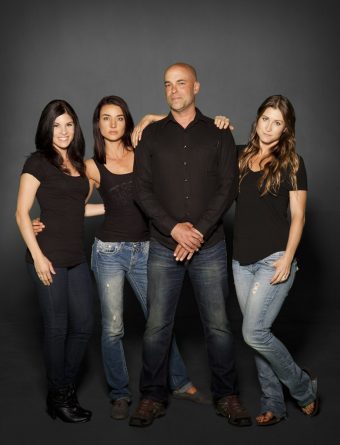
Victoria Morsell Hemingson Discusses 30th Anniversary of ‘Phantasmagoria,’ Writing

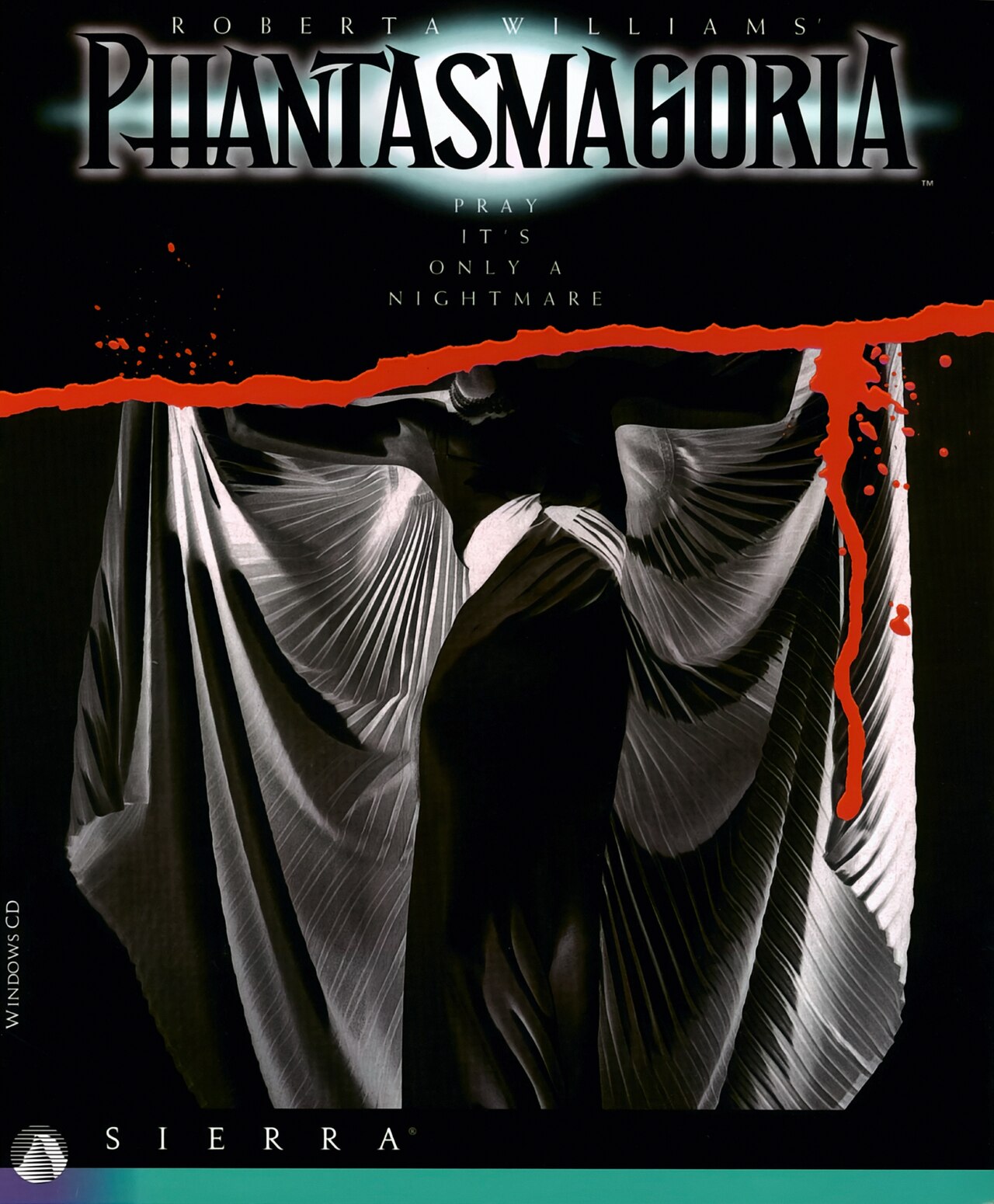
Widely regarded as one of the most successful and controversial computer video games of its time, Phantasmagoria wowed gamers when it was released in the summer of 1995.

The interactive point-and-click horror adventure created by Sierra Online, one of the first games for both MS-DOS and Windows, spanned seven discs and grossed more than $12 million dollars on its opening weekend, easily becoming one of the year’s best-selling games.

The hugely detailed 550-page script developed by Roberta Williams told the story of Adrienne Delaney (portrayed by actress Victoria Morsell Hemingson), a writer who moves into a remote mansion only to find herself terrorized by supernatural forces. The game featured both live action and cinematic footage mixed within a three-dimensionally rendered environment.

Despite the buzz and high demand it generated, Phantasmagoria was also considered controversial upon its release in 1995, with several major retailers refusing to even stock the game because of content they considered to contain “highly realistic violence.” Something that seems trivial in comparison to the games currently occupying store shelves three decades later.
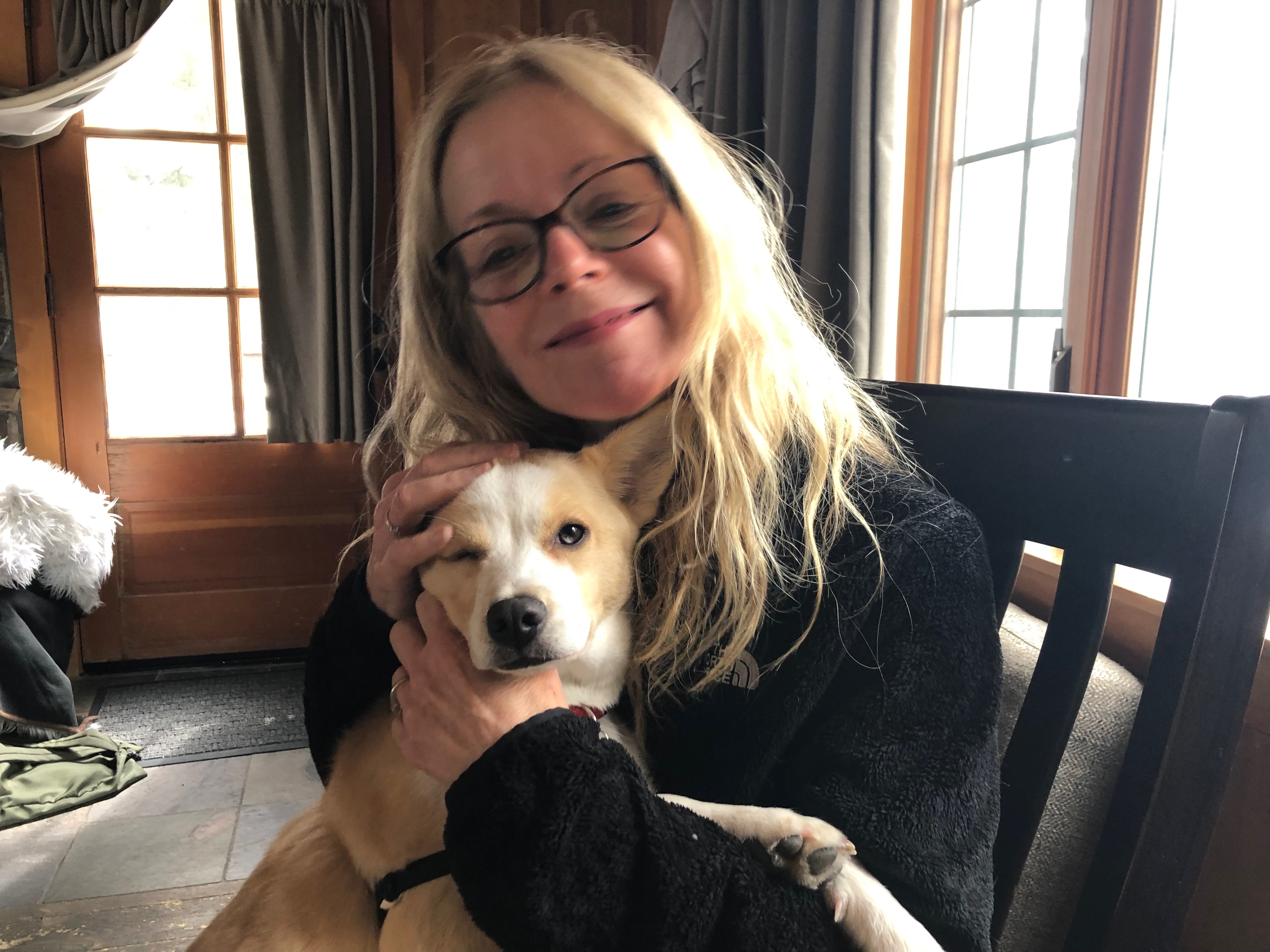
Although the game was hugely successful, Victoria Morsell Hemingson decided to switch gears from acting in order to pursue a career in writing shortly after the release of Phantasmagoria, as well as to concentrate on marriage and raising a family. In 2021 she was awarded the grand prize in the Mystery/Thriller category in Book Pipeline Unpublished for her novel, “Awful Necessary Things.”

Today, she’s concentrating on several different writing projects, including novels as well as a powerfully written and personal non-fiction piece about a difficult time in her life. She’s also had the opportunity to actually play Phantasmagoria herself for the very first time on the Conversations with Curtis YouTube channel.

I recently spoke with Hemingson about Phantasmagoria’s 30th anniversary and its impact, her writing and more in this new interview.

It’s been thirty years since the release of Phantasmagoria. When you look back now with so much perspective what thoughts come to mind?

Victoria Morsell Hemingson: I remember it was actually really fun to make. We had such a great time because it was like a dream job. They put us up in cabins and we all got to stay by a lake. We were a tight knit group and it was nice to have something steady for a few months. If you follow Conversations With Curtis on YouTube, that was the first time I ever actually played the game. I remember when I was hired I really didn’t know very much about computer video games but I was told it was a new kind of game that was cutting edge. I had originally auditioned for the director for another project. He had seen me act before and knew I’d be right for the part in Phantasmagoria.

Did you know what you were getting into with this game?

Hemingson: It was hard to envision exactly what it was going to look like at first. It was a gigantic script and there was a lot we didn’t understand going in. For example, the set was in front of a blue screen and was completely empty. There was no furniture; just boxes for steps, beds and chairs. I remember we had to stand facing a monitor and could see the animation that they already had done on the TV and where we were going to be in relation to the game while we were doing it. It took a while to get used to how to move and be in the right place on screen. As an actor it was a bit of a challenge not knowing how big or small to go. We were all figuring it out as we went along.

What was it like learning the story and what were some of the little nuances in the 500+ page script?

Hemingson: Roberta Williams told me the story. The script itself was all in order but it contained everything, like first I would have to open a drawer to find the matches. Then I would open the drawer to see the matches, then open the drawer and not see the matches. Each of those kinds of variations was part of the script. I remember when we filmed we were there for a few months and then brought back in a few months later to shoot for a final few weeks.

What made you decide to make the transition from acting to writing?

Hemingson: I always wrote when I was a kid and a lot of the acting I was starting to do wasn’t as satisfying or fulfilling. I wanted to do something I was really proud of. I still remember the exact moment I realized that I was done acting. I had gone on an audition for a play and they kept everyone waiting around for hours and hours. Then when it was finally my turn to audition it was like a split second. It just felt like it wasn’t worth it. So I decided to go back to school and got a master’s in writing. The writing was something I always wanted to do.

What’s your writing process like?

Hemingson: It can be difficult trying to get into the groove but I try to write in the morning and then later on in the afternoon, Of course, it’s different when I’m revising. When I was in school I was a little more efficient with my time working and writing.
What are some of the projects you’re currently working on?

Hemingson: I recently wrote a personal non-fiction piece for Hippocampus Magazine. I used to work as a receptionist when I was younger and had an eating disorder. It was during this time that I started seeing this actor, whose name I won’t reveal.

I’ve also written a fiction piece for South Carolina Review about a woman in Los Angeles who’s trying to get off a cycle of bad choices and am working on a new novel.

What are you most looking forward to about this next phase of your career?

Hemingson: I guess it would have to be completing these new projects. I’m excited about working on them. I need to get them out of me. I may also be collaborating with my husband on something which will be fun. He’s a screenwriter who wrote the film, “The Holdovers.”

Lehigh Valley native brings horror-comedy ‘Grampy’ to Southside Film Festival

Graham Burrell is a Philly-based independent filmmaker whose passion for the craft began around the same time he learned how to say the word “camera.”

A Parkland High School and Muhlenberg College graduate, Burrell was heavily involved in the film programs at both schools. To date, he’s written, directed, and edited more than 25 shorts, garnering more than 20 awards and millions of views online.

His most recent short, “Grampy,” is a horror/dark comedy with a big beating heart at its core. It’s the story of a young woman who must spend a rainy night with the taxidermy corpse of an old man in a creaking farmhouse. With the help of other Lehigh Valley natives and despite having a shoe-string budget, Burrell has successfully woven a curious tale of dark humor, horror, and hope.

“Grampy” has been captivating festival audiences across the country, earning numerous awards including Best Director – U.S. Short Film at the Jim Thorpe Independent Film Festival, Best Dark Comedy at the Allentown Film Festival, and Best in Fest at the Northeast Pennsylvania Film Festival.

The film will next be screened as part of this year’s Southside Film Festival, which will be held in Bethlehem June 11-15.

I recently spoke with Graham Burrell about “Grampy” and what it was like going through local school film programs in this new interview.

Where did the idea for Grampy originate? What inspired the story?

Graham Burrell: Back in 2021 I saw a comedic TikTok video about someone pretending that their friend was stuffed and immediately thought it would be a clever concept for a horror/dark comedy. The mental image of “taxidermy grandpa” was particularly compelling and felt ripe for a horror film. Unfortunately during the middle of pre-production, I lost my own step-grandfather to a battle with multiple myeloma. While mourning his loss, I realized that “taxidermy grandpa” could actually serve as a potent analogy for grief and the difficult process involved in saying goodbye to a loved one. The story went through a significant re-writing in order to give the film a deeper, dramatic edge. I added the backstory involving our protagonist grieving the loss of her father, and writing the film became an outlet for me after losing my own loved one.

You can read the rest of my interview with Graham Burrell by Clicking Here.

Pierogie Phobia

I only have two fears in my life. Oh sure, we all have aversions to familiar things: heights, creepy bugs and other slimy critters, drowning. The list goes on. But the ones I’m most afraid of are not of the ordinary nature: one of them being Coke Zero. But the one I really want to discuss with you today is my fear of pierogies. Laugh if you must, but let me explain.

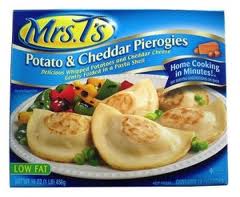
Thirty years ago I was a pierogie connoisseur. My semi regular routine was to pan fry each little doughy, cheese and potato filled manna in a half-gallon of vegetable oil, drown them in salt and then make a bee line for the couch to watch TV and indulge. My average intake was between six and eight during a binge. I did my best work solo. And I was immortal. But that all changed very quickly one particular Sunday afternoon.

It was a hot summer day at my Mom’s house. I was still living with her as dead beat sons often do when home from college. She had driven with my brother and a few other people to the NASCAR race at Pocono Raceway. I decided to stay at home to watch the race and partake in Pierogie-Palooza.

I followed my customary routine of pan frying eight pierogies and drowning them in the aforementioned salt. Filling a large glass with Diet Coke (as I had not yet progressed to Coke Zero, but that is a story for another time), I sat on the couch and turned on the race.

I couldn’t tell you about the race. All I recall was the wonderful combination of carb, fat and salt as it hit my tongue. The smell of golden goodness. The taste of empty calories and the age mass that would eventually haunt me in the years to follow. I finished them all, then fell into a pierogie high. It was true Zen.

Suddenly, there was another smell that infiltrated my sacred space. It wasn’t one I was familiar with and for a second I thought about just ignoring it, but quickly realized I could not. A feeling of helplessness washed over me as I knew my world was about to change. Because that’s when I saw the smoke coming from the kitchen.

You see, in my haste to reach the ninth plane of starch and fat heaven I forgot to turn off the pan containing the half-gallon of vegetable oil that cooked the pierogies. I managed to get to the kitchen in time to put the fire in the pan out. Disaster averted. That was a close one I thought to me self, but then I looked around the kitchen…

Oh shit….!!!

The smoke from the grease fire had painted a nice black film on the white walls and cabinets in the kitchen.

Oh shit…..she’ll be home soon!!!

That’s when the humorous side of my brain made light of the situation. “Well Son, at least you’re not a young kid anymore or you would have gotten the ass beating of your life for this one”…..Ha-ha. That humorous side….I love him sometimes….But this was serious. And for a moment, I really did wonder if Mom would beat the shit out of her 21-year-old son. (looking back now, I think I could’ve taken her but at the time, I didn’t want to find out). I had to clean this up before she got home. I could do it. Clean it all up. She’d walk in and it would be like nothing ever happened.

I grabbed a bucket and filled it with water and some cleaning agent. I think it was the second or third pass on the wall when reality really hit. This shit on the wall was NOT coming off. And then I rationalized why this was happening to me. Could this be payback for the time I “accidentally” put my car in neutral and rolled it into our house on South Side? Sure, everyone was glad I was ok afterwards but I never really got punished for it. My heart started racing.

Oh yes, this one was going to be my legacy. The joke of family events for years to come… “Jimmy almost burned the house down cooking Pierogies”….Pierogies and Jimmy were going to go together forever. I thought about going on job interviews and being asked about my pierogie ordeal. Getting married and every one throwing pierogies at me instead of rice….And worst of all,  I just knew my Mom was going to have the Mrs. T logo put on my tombstone.

So, what did I do? I dumped the water bucket in the sink and opened the windows to let the remainder of the smoke out. Sat back down on the couch and finished watching the race. Haven’t touched a pierogie since. I can’t look at them without going back to the helplessness of that day. Yes, I AM afraid!

Rightly so I am still the butt of jokes at family get togethers. But I’ll never forget the look on Mom’s face when she walked in and saw the end result. There was so much I wanted to say, but all I could muster was:

“So, how was the race?”….

‘Tea Time’: Writer/Director Tara Price Discusses Her Bloody New Short Film

Tara Price

During her afternoon tea party, a little girl — played by newcomer, Kennedy Barrie, loses her temper and things get…well, out of control.

The premise for award-winning writer/director Tara Price’sbloody new short comedy, “Tea Time,” can perhaps best be described as “Calvin and Hobbes meets Scarface.” A twisted mixture of childhood imagination and real-life consequence.

Ubiquitous in her storytelling, Price has an innate ability to weave a web of thrills and suspense while bringing out the best in her cast. No better example of this exists than the performance she yields from three-year-old Barrie, who is both insatiably cute and diabolically mean. Barrie’s real-life brother, Tripp, also appears in the film, giving even more visual impact to a short that already combines the best elements of comedy, horror and thrills.

Like her previous short film, “Earworm,” which featured Ernest Lee Thomas [“What’s Happening”], Price enlists the help of another beloved, multi-generational artist by involving wrestling legend Rob Van Dam to participate in a surprise twist.

“Tea Time” is already receiving buzz on the festival circuit, including being selected in the coveted 2020 Women In Comedy Festival presented by HBO. Proving that even though it’s only her sophomore directed film, Price’s star power continues to rise.

I recently spoke with Tara Price about “Tea Time” and more in this exclusive new interview.

What was the inspiration behind “Tea Time?”

Tara Price: I had been working on an outline for a feature about a child whose toys come to life in her dreams and wound up borrowing the idea to make something that was much more simple and fun. The overall idea of toys being alive in a child’s imagination isn’t new. I just ran with it in a weird direction. My one-sheet when I was seeking funding for “Tea Time” described it as “Calvin and Hobbes meets Scarface,” which amused me to pieces and I’ve since been told sums it up perfectly.

What’s your writing process like?

TP: When it comes to short films I have to know how it’s going to start and end before I even start fleshing out the idea. The ending doesn’t have to be tied up in a neat little bow but it has to have some kind of conclusion. I never write with a time frame in mind. I just want to write the idea and keep it interesting. Generally, you can estimate how many minutes the finished film will be based on the number of pages you write.

How did you discover Kennedy Barrie?

TP: Kennedy’s mom was actually a co-worker of mine. She’d recently moved to L.A. and had invited my husband and I to a housewarming party. When we arrived Kennedy answered the door all by herself, as if she were hosting the party. She gave us a tour of the home and by the end of the night she and her brother Tripp, who also appears in the film, were holding court. I was immediately taken with the dynamic between the two of them because that’s what I had written. I remember as we were leaving my husband turned to me and said, “I know what you’re thinking.” I laughed and said, “Is it that obvious?” The next day I brought the idea up to my co-worker and asked if she’d be ok with having her kids in the film. Luckily for me, it all worked out.

Read the rest of my
Interview with Tara Price by Clicking Here!

Director Harrison Smith Talks ‘Death House,’ New Projects

When Harrison Smith agreed to co-write and direct the action/horror thriller, “Death House,” the filmmaker had one goal in mind: to make Gunnar Hansen’s intertwined vision of good and evil a consummate reality. The film’s premise, which brings many of the greatest horror icons together in one film, is a rollercoaster funhouse ride of scares and screams as well as a nod to the best of 80s horror.

In “Death House,” Agents Toria Boon (Cortney Palm) and Jae Novak (Cody Longo) are given a tour of a state of the art, government prison where medical and mental experiments are carried out on the worst of humanity by Drs. Eileen Fletcher (Dee Wallace) and Karen Redmane (Barbara Crampton). But when an unexpected power outage releases the monstrous inmates Boon and Novak, who are beginning to learn more about their own dark pasts, have to fight for survival through a labyrinth of horror. It all culminates in a final, violent showdown in the prison’s deepest level with a face to face encounter with The Five Evils.

In addition to a fun story and stellar cast, which includes Kane Hodder (“Friday The 13th”series), Tony Todd (“Candyman”), Sid Haig (“House of 1,000 Corpses”), and Felissa Rose (“Sleepaway Camp”), “Death House” also features a plethora of Easter eggs guaranteed to please even the most ardent horror fan.

I recently spoke with Harrison Smith about “Death House” and more in this exclusive new interview.

How did this project come about?

Gunnar had brought the idea of creating a movie with a who’s who of horror names to his agent, Michael Eisenstadt. His original script, called “Death House,” was about a group of college kids who create a documentary about going into an abandoned asylum. But when they get down into the bowels of the building, they discover that the patients have never really left. Instead, they’ve been living there as subterranean beings. Michael eventually got the script into the hands of Rick Finkelstein from Entertainment Factory, who then brought it to me. 

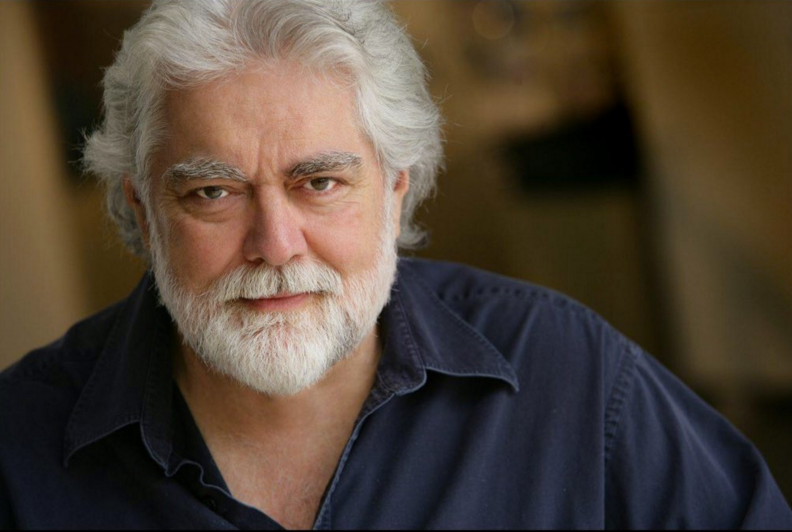
Gunnar Hansen

How did the script evolve into what would become the final film?

I met with Gunnar and the two of us started going over it. The whole documentary idea had been done before, but the one thing Gunnar really wanted retained was his vision that good and evil are intertwined and need each other. He told me he had this Biblical concept of these “Four Horsemen” so I suggested we change it up by adding a woman to finish out the points of a pentagram and calling them The Five Evils. Around that same time, the Super Bowl was airing the world debut trailer for “Jurassic World.” That’s when it hit me: why not make “Jurassic Park” without the dinosaurs? And instead of it being an asylum, let’s make it a prison. We’ll have a young group going on a tour when the ride breaks down and the monsters get out. That appealed to Gunnar. I took even more inspiration from the film, “Escape from New York.” Now we were able to put horror names in as real characters.

The sad thing was that during all this time, Gunnar never let on that he was dying. No one actually knew until a few weeks before he passed [Hansen died in 2015]. That was why he was emphatic about getting it done. I wanted to make sure I preserved his vision, and after reading the final draft Gunnar gave Rick his blessing.

Was there ever any thought given to having the horror icons reprise their famous character roles for “Death House”?

Never. When that idea was first pitched I made it clear I didn’t want to make anything like that. Just look at “Freddy Vs. Jason” as an example. That film went through fourteen drafts and took ten years to make, and that’s what we got? Just because you can do it doesn’t mean that you should.

What was the casting process like for “Death House?”

All of Gunnar’s friends had already told him they’d be on board, so it was a matter of finding a place for them. Robert Englund was also set to appear, and even went out of his way to try to make it happen, but by the time the money moved for filming he already had other commitments and just couldn’t do it.

What can you tell me about the addition of Cortney Palm to the project?
We originally had cast Bianca Bradey, from Wyrmwood, as Agent Toria Boon. She loved the script and we loved her. She’s Australian and we had everything set up with her visa, but it wasn’t going to carry over when it finally came time to shoot. I’ve always been a fan of Cortney’s work in “Sushi Girl” and it was also around the same time “Zombeavers” came out. She and I were Twitter friends so I reached out to her about it. She has charisma and a great look and delivery. She gave everything she had and is absolutely terrific in this film.

How would you describe the story of “Death House”?

I would describe it as a roller coaster ride through the fun house. It’s also a “flipping around cable in 1983 at 2 o’clock in the morning” kind of film. One where you come across it and you say to yourself, “Man, I’ve got to finish this!” That’s what I was going for. It’s very “Escape From New York” / John Carpenter-esque and a tip of the hat to that great 80s cheesy action horror. What’s interesting is that there’s also lot of stuff in the film that’s in the headlines again today, like Transhumanism, which is the idea that mental illness is contagious and can be spread through social media. It’s a smart script that ends with you asking questions, which is what every good film should do.

Are there plans to do a sequel?

“Death House 2: The Farm” is already written and in it we’ll start answering some questions. Like the shower scene where Agents Boon and Novak are asking about each other’s tattoos and the possibility of having memories erased. It all takes place on a farm that’s being used for human trafficking.

Are there any other projects you’re currently involved in?

Spilled Milk” is a screen play I wrote that’s based on the novel by K. L. Randis, which is her true account of surviving sexual abuse from her father. I was attracted to the story because of this woman’s plight and the whole #MeToo movement. I wanted to write it from the standpoint that it really is a horror movie because it’s real. The script is in the hands of a female director, which is where it should be. Most of all, I’m excited for Kelly to get her word out.

I’m also getting ready to shoot a quiet, horror film noire called “The Special,” which stars Damian Maffei [“The Strangers: Prey at Night”] and Sarah French playing the wife. It’s a story that was brought to me by Mark Streensland and James Newman. There’s dark elements, a little bit of revenge and some things you don’t see much of anymore. It also has some great practical make-up effects. I’m very excited about it. 

What would you like people to take away from watching “Death House?”

Gunnar wanted this film to be for his fans. He didn’t care about the critics or a Rotten Tomatoes score. What he wanted was for all the people who came to see him and paid money for his autograph to have something to be excited about. So, look at the crazy creatures that are in the freezer, enjoy Kane Hodder and watch for all the Easter eggs—especially the ending post credits sequence which features the best Easter egg ever. It’s Larry Zerner, who played Shelly in “Friday The 13th: Part 3.” And for people who may not know much about classic horror, hopefully watching “Death House” will make them want to go back and learn more. “Death House” is for the fans, so have fun and enjoy it.

Death House” is available now on Digital, Streaming, DVD and Blu-Ray.

‘Death House’: Actress Cortney Palm Discusses All-Star Horror Fueled Adventure

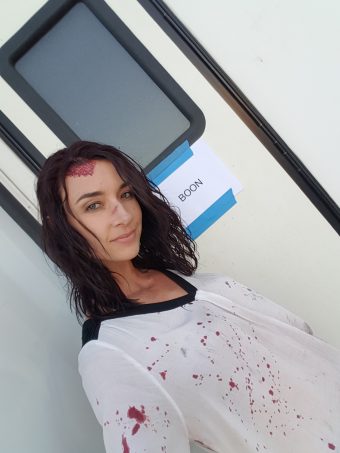
During an exclusive tour of a nine-level, secret prison known as “Death House,” agents Toria Boon (Cortney Palm) and Jae Novak (Cody Longo) become trapped inside its walls after a power outage frees a ruthless army of the world’s most dangerously maniacal prisoners. Trapped in the labyrinth of horror, the agents must push to the facility’s lowest depths, where they’ll come face to face with a supernatural group and discover a dark secret about themselves.
The premise for the B. Harrison Smith directed feature was originally based on a concept by the late Gunnar Hansen (“The Texas Chainsaw Massacre”) intended to bring as many horror legends together in one film. That’s why, in addition to appealing performances of Palm and Longo, “Death House” features a plethora of iconic horror stars from the mid-70’s to present day, including Kane Hodder (“Friday The 13th”series), Dee Wallace (“Cujo” “The Hills Have Eyes”), Barbara Crampton (“Re-Animator”), Tony Todd (“Candyman”), Bill Moseley (“House of 1,000 Corpses”), Michael Berryman (“The Hills Have Eyes”) and Felissa Rose (“Sleepaway Camp”).

As an actress, Cortney Palm has a knack for playing strong, female characters (just check out the beautiful artist’s work in 2012’s “Sushi Girl”) and Agent Boon is another convincing role that’s right in her wheelhouse.

“Death House” is more than just an “Expendables of Horror” film. It’s a gripping tale of good versus evil, the dangers of experimentation, the macabre, and how things are not always what they appear to be.

I recently spoke with Cortney Palm about her role in “Death House” and more in this exclusive new interview.

How did this project come about for you?

In this age of social media people have different ways of reaching out and giving you information about opportunities. In this case, the original lead for the film had to unexpectedly drop out. They were going to start filming and I received a Twitter message from [director] Harrison Smith telling me they were looking for someone. I read the script and was immediately excited. It was a fun, in-depth story about good and evil. About finding what it takes to face your inner demon and coming out on top. I called my agent, flew out a few days later and we made it happen.

What was it about the script that intrigued you the most? Was it the idea of having so many horror icons attached to the project?

Originally, I didn’t know it was being pitched with a lot of horror icons attached to the screenplay. What drew me to the story the most was the strong female lead. I’m always attracted to characters who don’t take anything from anyone else and who can stand on their own two feet. 

How would you describe your character, Agent Toria Boon?

She’s a very by the books kind of person. She’s a daddy’s girl, but daddy really wanted a boy. As a result, she’s had to step up her game and trained hard for what she’s doing. As the story unfolds she realizes there’s something she hasn’t been told. Everything is snowballing all at once and she’s not really sure who to believe or trust. She has to follow he intuition and think things through as they happen. She’s figuring out how to survive while at the same time, visions of “Who Am I” keep racing through her mind. There’s also a dynamic, female power trip going on within the film. It’s about who’s on top and who’s going to be the manipulator. The women all have to fight for a place. They all have to be there for each other but it’s still about who’s bite is bigger.

How would you describe the story of “Death House?”

It’s a crazy roller coaster ride, so stay in the cart and keep your legs and hands inside at all times. The story goes into the idea of what happened back in the Fifties and Sixties when the government was performing tests on people. It also dives deep into what it means to have good and evil in the world. The yin and the yang.

What was it like working with Harrison Smith?

Harrison was once a history teacher and was such a good mediator at getting us all to the table and keeping us on the same page. For any issues we had to overcome he was the hub and teacher who kept everyone grounded. He also gave us the freedom to innovate and try new things. Some of that inspiration took the story deeper than what we originally expected.

What did you enjoy most about making “Death House?”

I loved the prison location. There was a lot of energy there that was indescribable, but not necessarily good or bad. People have actually been burned and murdered there and there were also riots. It was dark and there were some really cold, long shoots. It was a lot of work but the prison made it magical.

Are there any other projects you’re currently working on?

A film I shot a few years ago, “Sunflower,” is getting distributed in the middle of 2019. I also recently wrapped a father-daughter drama called “Two Cents from a Pariah” as well as a voice over for a psychological thriller called “Purple.”  Another film, “Herringbone,” just won the online Sydney Lift Off film festival and is in the festival circuit. It’s a touching tale about two women struggling to survive captivity and torture, as it represents the dairy industry. I’ll also start filming a movie called “Bleed Millions,” that’s directed by Sam Koze, in January. It’s an interesting story about a psychopathic individual who uses the blood of his victims to paint works of art.

Have you ever thought about getting on the other side of the camera someday – either as a writer or director?

I’d definitely consider it. It’s really a matter of finding the right projects. I have a few ideas for a film about unity and casting children as leads. We’ve gotten away from our innocence and the nature of just accepting and being present. That’s something I’d like to explore.

What are you looking forward to the most in 2019?

I’m excited about expanding my horizons and meeting people who are more about the human condition and how it’s represented in film and in our daily lives. Instead of being caught up with unsubstantiated hate towards one another or victimizing ourselves or others, I want to focus on waking up to a collective consciousness. Having people realize their true selves and the beauty the world has to offer. I’m looking forward to helping to influence people in positive ways to make changes so our world can become better place. 

Death House” is available now on Digital, Streaming, DVD and Blu-Ray.

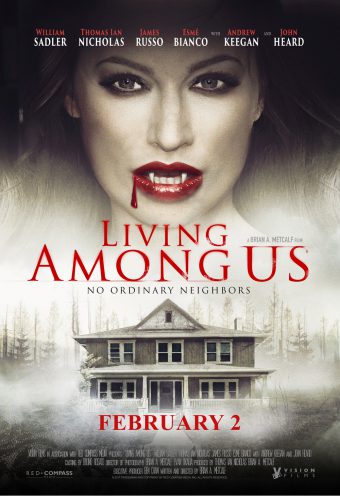
Interview: Thomas Ian Nicholas Discusses New Film, ‘Living Among Us’ and Upcoming Tour

Perhaps best known for his role as Kevin Myers in the “American Pie” films, multi-talented actor/producer and singer/songwriter Thomas Ian Nicholas continues to entertain audiences with his clever filmmaking and passion-driven acumen. Nicholas’ new horror film, “Living Among Us” continues this trend by also applying a new twist on the methodical vampire genre.

The film, written and directed by Brian A. Metcalf, is a fictional found-footage documentary where Mike, (played by Nicholas), and two members of his team are invited to film a group of vampires in an attempt to prove or disprove claims of the undead mythos. The documentary crew soon finds themselves in extreme danger after uncovering a deadly secret, and a fight for survival ensues.

Like many found-footage films, “Living Among Us” shines by delivering seemingly helpless characters in a visually appealing environment as well its use of extended takes. One scene in particular, which takes place in the dining room, will have audiences talking long after the credits have rolled.

“Living Among Us” also stars Andrew Keegan, Esmé Bianco, William Sadler and John Heard (in one of his final film roles).

An acclaimed musician, Nicholas and his band are also gearing up for a new tour this year in celebration of the 10th anniversary of his album, Without Warning.

AXS recently spoke with Nicholas about “Living Among Us”, his music and more in this exclusive new interview.

AXS: How did your involvement in “Living Among Us” come about?

Thomas Ian Nicholas: I have a production company called Red Compass Media, where my business partner, Brian A. Metcalf (writer/director), and I have a slate of projects we’re doing. The first one was “The Lost Tree”, which recently came out on DVD and Blu-Ray and stars Michael Madsen and Lacey Chabert. “Living Among Us” is the second of three that we’re doing. It’s very exciting.

AXS: What was it about this particular story that piqued your interest?

TIN: When we were finishing up “The Lost Tree”, we had the opportunity to do another project. What they wanted was a found-footage film, but one that included an all-star cast. Brian is a film buff and told them that you can’t really do a found-footage film with well-known actors because it would be too difficult for viewers to believe. He suggested that we do a documentary-style American New Wave film. A movie within a movie. One where you’re fully aware of the filmmaking process but are still drawn into the story.

The other thing I really dig about this film is that it’s a new twist on the subject of vampires.

Read the rest of my
Interview with Thomas Nicholas by Clicking Here!

‘Earworm’: Filmmaker Tara Price Discusses Her Latest Horror/Sci-Fi Short

Tara Price

When a reclusive man is repeatedly woken up over the course of a night by severe headaches, accompanied by musical repetition from an unknown source, his sanity begins to swiftly unravel.

The premise for writer/director Tara Price’s new short film, “Earworm”, is more than just a sinister play on words. It’s an eerily captivating, empathetic look at a man losing grip with his own reality. In mere minutes, Price is able to effectively weave a compelling web of cringe-worthy horror and uncertainty, while taking the viewer on a wild, emotional thrill ride.

The film, which stars veteran actor Ernest L. Thomas (“What’s Happening!!,” “Everybody Hates Chris” and “Malcolm X”) is as infectious as it is unsettling.

In addition to already being an acclaimed actress, Price wrote, produced, and starred in the award-winning, sci-fi short, “The Routine”, which was an “Official Selection” in thirty film festivals worldwide as well as being a nine-time award winner. “Earworm” is her directorial debut.

With endless enthusiasm and a profound knack for uniquely capturing a vision from written page to screen, Price is one to watch in 2018.

I recently spoke with Tara Price about “Earworm” and more in this exclusive new interview.

Where did the idea for “Earworm” originate?

I’ve written and produced several short films in the past, but this was the first one that I wrote with me specially wanting to direct. The whole concept behind it is actually a play on words. I’ve used the word “earworm” many times in my vocabulary. It means when you get a song stuck in your head. But what I’ve discovered over the years is that many people hear the word and relate it to “tapeworm” or “ringworm”. They don’t realize that it’s about music being stuck in your head. I thought it would be great to make a movie about both of those things.

Was the idea always for it to be a short film, or did you have something more feature-length in mind?

All of my other films were under ten minutes, so I always knew that it would be short. I like my material to pack a punch and end on a good beat. I’ve had people suggest that I make “Earworm” into a feature and I’m always flattered, but it was never meant to be one.

How did Ernest Thomas become involved in the film?

Ernie and I had worked together as actors in the past. All of our scenes were together so whenever there was downtime, we would spend it by hanging out and getting to know each other. He’s so kind, funny, generous and down to Earth. He’s also got an iconic smile that you immediately recognize. Ernie’s known primarily as a comedic actor, but he has such a great face for drama. I didn’t write the script with Ernie in mind, and I wasn’t even sure if it was going to be about a man or a woman. Ultimately, I decided it would be interesting to have a seasoned actor in the role, and Ernie was the first one who popped in my head. I shot him an email and was really lucky when he said yes. We had always hoped to work together again, and it was a wonderful thing.

What was the filming process like for “Earworm”?

We shot the entire film in one day. It was exhausting, but tons of credit goes to my team of people and to Ernie, because they never lost their momentum. I also had a wonderful producer, Billy Hanson. I’m so indebted to him for believing in this script and for being a great partner. To have someone that solid in your corner who believes in and trusts in you is so important.

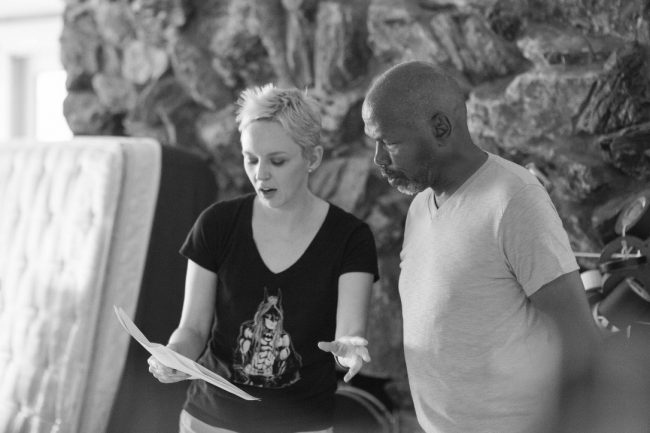
Tara Price & Ernest Thomas

As a first-time director, what was the biggest challenge?

This may sound silly, but sometimes just believing in yourself can be the hardest thing. The idea of directing can be intimidating, but I was fortunate to have many positive influences in my life and a lot of people encouraging me. Directing sounds scary and is a lot of work, but it’s easier when you have a good script, go in with a plan and surround yourself with top-notch people.

How has the reaction been to “Earworm”?

It’s been great. I love going to festivals and sitting in the back and watching he audience. There’s one scene I won’t give away where the audience always shrieks [laughs]. It’s my favorite part.

What’s next for the film?

It’s recently screened in New York and Berlin and will be playing at the Indie Horror Film Festival in Illinois in March. It’s already been in forty-eight film festivals and has won seven awards.

Was a filmmaker something you always aspired to do?

Initially, I wanted to be an actor and moved to L.A. in pursuit of it. I always liked to write, but did it mostly to help me as an actor. Eventually, people started telling me that I should try directing. I was hesitant at first, but once I did everything else paled in comparison. It’s exciting to write something and then bring your vision to life. But it wouldn’t be possible without having a great team of people who bring everything they’ve got to the table.

Are there any other projects you’re currently working on?

I’ve recently directed a music video for the song that’s from “Earworm” – “The Worst Thing”. It’s a completely separate entity that has nothing to do with the movie, but it’s a catchy song that gets stuck in your head [laughs]. It’s funny how you can plan something and then things go a completely different way. Directing was never part of my plan, but my path got rerouted and here I am. It’s very exciting.

What are you most looking forward to about the next phase of your career?

Honestly? It’s wherever the chips fall. I’ve got a bunch of irons in the fire right now, and I’m looking forward to whatever happens first. I’ll just be lucky and happy to have the opportunity. Setting out to do something and then reaching the goal is very satisfying. Finding passion in something new is such a blessing, and I feel so fortunate.

For more information on ‘Earworm’ visit:
http://www.dirigoentertainment.com/earworm

Actor / Director David Rountree To Begin Work On 48-Hour Film Project

David Rountree

During the first week of August, actor/director/producer David Rountree and a team of other notable filmmakers will undertake the 48 Hour Film Project in Los Angeles, CA. Their mission? To write the script, cast the actors, shoot, edit, and hand in a completed film project in two days.

Rountree, along with his partner Jeremy Jordan have teamed up with James Blakeman, Ashley Ayre, Dustin Henderson and Shahriar Rahman (visual effects producer and supervisor, “Harry Potter and the Deathly Hallows”, “Smurfs”, “Scandal)” to produce the top-quality short film in one weekend as part of The Los Angeles 48 Hour Film Project and premiere it at the festival the following week. The Best Film will receive a grand prize of $5000 and move on to screen at The Cannes Film Festival in France.

David Rountree is no stranger to this blog. His feature-length feature film, “CUT!” — which he co-wrote, produced and directed, was voted one of the top five horror films of 2015. The multi-talented filmmaker has also received praise for work in his baseball themed film, “108 Stitches” (which, along with “CUT!” received a national theatrical release) as well as acting in the new horror film, “The Dark Tapes”. Over the course of his career in TV and film, Rountree has worked alongside such iconic actors as Samuel L. Jackson, Ben Affleck, Josh Hartnett, Rob Lowe, Amy Adams, Kate Beckinsale, Jennifer Garner, Ice Cube, Willem Dafoe, Bruce Davison and Kate Vernon.

Although it’s been seven years since Rountree last did this film competition, his team has won Best Film all three times its entered. This time around the team has rented out Air Hollywood studio, which where almost any movie having an airplane, including the original “Airplane” movie, was shot. The cast and crew of the film are all volunteers, but in order to continue to get the best locations and equipment, they’ve begun a fund-raising campaign.

Watch below to see one of Rountree’s previous 48-Hour Film Project films, “Life For A Life”.

For those who donate, there are definite perks, including film credits that would be given including digital copies of the completed film, signed scripts, invitations to the set and the opportunity to be a “featured background” actor in the film.

Check out the campaign and film above and consider being part of the team for one of the most creative people I know.

Actress Fiona Dourif Talks ‘Cult of Chucky’, ‘Dirk Gently’ and Career Moments

Photo by: Ryan West

Whether she’s portraying the frail but formidable paraplegic, Nica Pierce in “Curse of Chucky”, the crazed assassin, Bart Curlish, in “Dirk Gently’s Holistic Detective Agency” or the young nurse, Diane Jones, in the ABC mini-series, “When We Rise”, Fiona Dourif has proven that her versatility and talent as an actress is as genuine as the person she is in real life.

The beautiful Dourif will soon reprise her role as Nica in the upcoming horror/slasher film, “Cult of Chucky”; the seventh entry in the “Child’s Play” franchise scheduled to be released in October. The film, written and directed by series creator, Don Mancini, also reunites Fiona with her real-life father, Brad Dourif (the voice of Chucky) and features Alex Vincent (from the original “Child’s Play”) and Jennifer Tilly (“Bride of Chucky”, “Seed of Chucky”).

I recently spoke with Dourif and got a sneak peek at “Cult of Chucky”, the second season of “Dirk Gently’s Holistic Detective Agency”, her career and more in this exclusive new interview. 

It’s been four years since we’re seen you as Nica Pierce in “Curse of Chucky”. Was this new film, “Cult of Chucky” something that had always been planned?

I think Don [Mancini] is always thinking about ways to re-invent the franchise, even though he may not have a set timeline for it. It’s his life’s work. So, there was definitely talk about it on the set of the last film. I even remember Don coming up with idea of the mental asylum while we were shooting the last movie. With this new movie, he combines the old with the new, but it’s not a reboot. It’s a reinvention. It’s seeing Chucky in a way we’ve never seen before. There are definitely some surprises and I’m excited to see what people think.

What was it about the script that originally attracted you to the role of Nica?

I feel very close to the franchise in a way that’s there no parallel. When I was initially given the script, I auditioned for the role of Nica’s sister, Barb. But after watching my tape, Don said there was a quality in my performance that was right for Nica. It wasn’t obvious to me at first but they had me come in to audition and through the process made me understand that my own instincts as a person were very similar to Nica’s. But everything about the project attracted me. The idea that I could lead a franchise I felt this close to and to do something with my dad was an utter dream come true. It was my first studio film and a coming of age for me.

What makes horror such a great genre?

I think it’s fun to feel afraid. It takes up all of your attention in a way that’s exhilarating. It’s a baseline human experience and when you dive into it, it’s like riding a roller coaster.

What are some of the biggest challenges of playing Nica?

 Horror itself is challenging because you have to bring a lot of energy to it. Nica goes through some very dark places, so there was a lot of trying to find freedom in the idea that everyone you love is dying in front of you. Working with the dolls can also get challenging because Chucky gets a lot of takes. You’re also working with a puppet that has six people in green suits around you. There’s someone controlling his eyebrows, someone controlling his lips, someone controlling the way his mouth moves, two people controlling his arm movement. You’re acting in this high intensity moment and in order to make the moment correct all six people have to be in sync together. So, if it’s a two-shot and Chucky’s getting twenty-six takes, you have to keep that energy and terror alive for all twenty-six. I remember getting home from those first days shooting with Chucky and just being a puddle on the floor [laughs]!

Without giving too much away, how would you describe “Cult of Chucky”?

“Cult of Chucky” is like a Chucky movie on drugs. I think that’s the way Don describes it. It’s a psychedelic, hospital movie with a lot of surprises. We’re going to see Chucky in a way we haven’t seen him before. It’s going to be fun. 

What’s it like working with Don Mancini?

Don is a really generous director. He’ll let me bring to it what I think is right and then he’ll come in with opinions and an intelligence that I find very rewarding. We became good friends on the last movie and this year there was a fun synergy between us. I feel very close to this franchise and where the story goes. It’s fun to be able to make something with Don that people really dig.

When did you realize that acting would be your calling?

I remember the exact moment. I had been working on documentaries for a production company for The History Channel when I got the opportunity to take an acting class. I was doing an improv of a pizza delivery scene and when I got up there and performance kicked in it was the most exhilarating thing in the world. That’s when I thought if I could do this with my life, what could possibly be better?

Are there any other projects you’re working on right now?

 I’m in Vancouver shooting “Dirk Gently’s Holistic Detective Agency”, which is in its second season with BBC America and Netflix with Elijah Wood and Max Landis at the helm. I play a “Beetlejuice-like” monster who is the assassin of the universe. I’m this dirty, creature and the least sexualized feminine character that has ever been written. It’s maybe my favorite character I’ve ever played.

What can fans expect from the new season?

Mayhem! Max is a very smart, emotional writer. Sometimes the show feels like a graphic novel in the best possible way.

What’s the best bit of advice your dad’s given you as an actor?

There are kernels of things he’s said to me over the years that have become clearer in my journey. I remember a piece of advice I think about now-a-days with “Dirk Gently”. He said this cryptic thing: “You just have to step over the line.” The more I think about what he meant by that is more crystalized for me now.

 Would you like to work with your father on another project at some point?

We talk about that all the time and would love to do something together. There hasn’t been a project yet that’s worked but I would really love that. It would be a gift.

What excites you the most about this next phase of your career?

I’m most excited about finding more freedom in the chances I get to perform. Like anything, the more you do something the better you are at it and the freer you become. It’s a fun ride and I’m so incredibly lucky.